
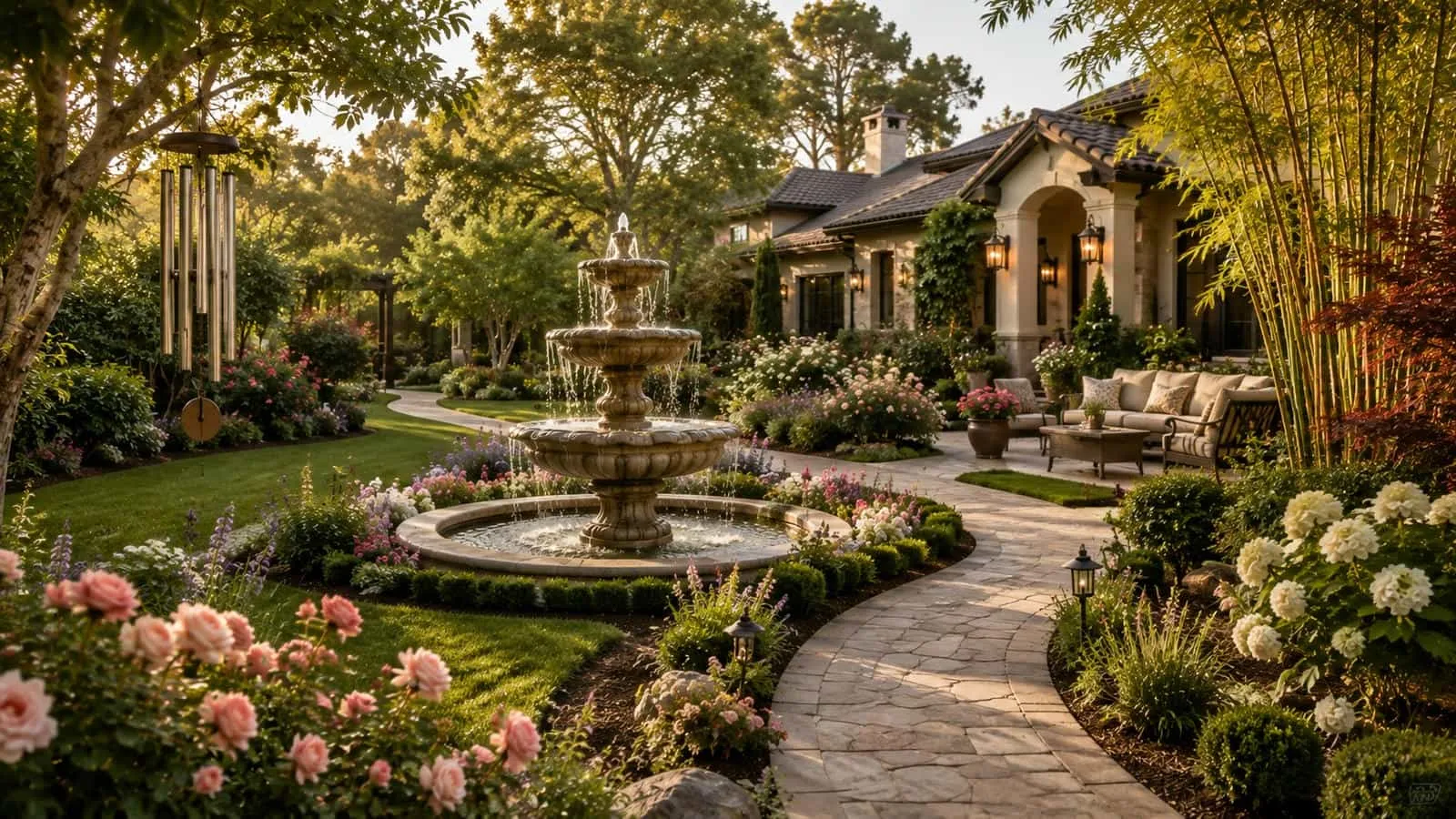
⛲🌹 A tiered fountain works best when the fountain and surrounding landscape are designed as one complete composition. A small two tier fountain can bring gentle movement to a cottage garden or enclosed courtyard, while a tall three tier cast stone fountain can organize a formal rose garden, circular driveway or grand entrance. Use this guide to compare tier counts, fountain styles, cascading water patterns, materials, landscape scale, viewing angles, foundations, planting, lighting, seasonal conditions and realistic maintenance before choosing the centerpiece for your property.
📌 Tiered Water Fountain Ideas for Landscape Design, Sound, Materials, Size, Installation and Buying
Explore tiered water fountain ideas for front yards, formal gardens, courtyards, cottage landscapes and comfortable backyard retreats. Compare fountain styles, garden decorating, cascading water sound, size and scale, durable materials, foundation planning and buying decisions before creating a timeless outdoor centerpiece. Select any image below to explore that exact section of the guide.


🏆 Best Tiered Water Fountains for Gardens, Entrances, Courtyards and Landscape Centerpieces
A tiered water fountain works best when it is planned as the organizing feature of the landscape instead of added after the paths, flower beds and seating areas are finished. Fountain height, basin diameter, home size, viewing distance and surrounding plant growth all influence whether the feature feels balanced. The strongest designs make the fountain the natural destination that ties the property together.
Before selecting a fountain, step back and study the full property rather than focusing only on an empty patch of lawn. Notice where visitors enter, how paths cross the yard, which views are visible from windows and where people naturally pause. A well placed tiered fountain can guide the eye from the home into the garden while giving walkways, planting beds and outdoor rooms a clear sense of direction.
Begin with the atmosphere you want to create. A small two tier fountain can add gentle movement to a cottage front yard, side garden or enclosed courtyard. A three tier cast stone fountain can anchor a rose garden or circular driveway. A tall four tier fountain creates stronger vertical drama for a large lawn, wedding garden or luxury estate entrance where it will be viewed from farther away.
Match the fountain to the architecture of the home. Weathered stone and traditional pedestal forms complement Colonial, Victorian, Tudor and European inspired properties. Warm limestone, aged concrete and terra cotta finishes suit Mediterranean and Tuscan landscapes. Simple bowls, clean profiles and restrained planting can help a tiered fountain feel comfortable beside a Craftsman, ranch or contemporary traditional home.
Confirm the foundation requirements before choosing a heavy fountain. Lightweight resin or fiberglass models may sit on a properly prepared compacted base when the manufacturer allows it. Large concrete, natural stone and cast stone fountains usually need a level reinforced pad that supports the complete filled weight. Poor leveling can cause uneven spills, dry sections, excessive splash and stress between stacked fountain components.
Water sound depends on more than the number of tiers. Drop height, bowl depth, pump speed, spillway shape and the distance between each level influence whether the fountain creates a quiet trickle or a fuller layered cascade. Nearby walls, paving and enclosed courtyards can strengthen reflected sound, while lawns, flower beds and dense planting usually soften it.
Use our guide to choosing the best water fountain location when comparing sight lines, power access, drainage and everyday circulation. A beautiful fountain can still become frustrating when it blocks a walkway, sits too close to parked vehicles or leaves no practical route for cleaning, refilling and winter care.
Outdoor conditions also influence long term satisfaction. Strong sunlight may increase evaporation and algae, nearby trees can fill the basin with leaves, and irrigation overspray may leave mineral marks across the finish. In freezing climates, bowls and tubing must be drained before repeated freeze thaw cycles. The best material is not only the one that looks attractive, but the one suited to the climate and maintenance routine.
Tiered fountains complement other water features without replacing them. Their strength is the ability to create a traditional vertical centerpiece with several visible stages of moving water. For broader landscape planning, explore our garden water fountain ideas for landscaped outdoor spaces or compare backyard water fountain ideas for complete property design.
Compare two tier, three tier and four tier fountains for front yards, gardens, courtyards and outdoor gathering spaces.
Choose a fountain with balanced scale, durable materials, comfortable sound and realistic maintenance needs.
🛒 Shop Tiered Water Fountains for Gardens on Amazon
⛲ What Makes a Tiered Water Fountain Work Well?
A successful tiered water fountain does more than add several bowls of moving water. It establishes scale, creates layered sound and gives pathways, planting beds, lighting and outdoor seating a central feature to support.
Use these practical design principles to choose a fountain that remains attractive, balanced and manageable through everyday use and changing seasons.
- 📏 Match the Fountain to the Property: Compare total height and basin diameter with the home, lawn, surrounding garden beds and viewing distance. A fountain that looks substantial in a showroom may appear small in a wide front yard, while the same model could overwhelm an enclosed courtyard.
- 💧 Choose the Right Number of Tiers: Use a two tier fountain for smaller gardens, close seating and gentle water movement. A three tier fountain creates stronger height and sound for formal beds and open lawns. Four tier designs usually need more space, greater viewing distance and a foundation that supports the extra weight.
- 🏛️ Match the Home and Garden Style: Traditional stone fountains suit Colonial, Victorian, Tudor and European inspired homes. Weathered finishes complement cottage and farmhouse landscapes. Warm limestone and aged concrete fit Mediterranean settings, while simplified bowls can support contemporary traditional gardens.
- 👁️ Plan Important Viewing Angles: Check the fountain from the street, driveway, front door, main windows, patio and nearby seating. The feature should remain visible without blocking an entrance, hiding address numbers or interfering with normal movement through the property.
- 🔊 Match Water Sound to Daily Living: Choose softer cascades near dining tables, reading benches and conversation areas. Stronger flow can help mask traffic near a front yard or create a richer sound across a large garden. Use an adjustable pump whenever possible.
- 🌹 Keep Surrounding Plants in Scale: Use low flowers, groundcovers or clipped edging near the basin, then increase plant height farther away. Oversized shrubs can hide the lower bowl, trap leaves and make maintenance difficult as the landscape matures.
- 🔧 Protect Maintenance Access: Leave a stable path to the pump, basin and electrical connection. The fountain should be easy to refill, clean and winterize without stepping through delicate flower beds or moving heavy planters.
- 💡 Use Lighting to Reveal the Water: Position low landscape lights to show the fountain shape and moving water from the main viewing direction. Avoid harsh glare into windows or seating areas. Warm light can strengthen stone texture, while softer uplighting creates reflections below each tier.
- 🧱 Build a Stable Foundation: Use a level base suited to the fountain weight, soil and local climate. Heavy cast stone fountains may need reinforced concrete, while smaller lightweight designs may use compacted gravel or pavers when approved. Recheck level after soil movement or winter frost.
- 🍂 Plan for Every Season: Consider spring growth, summer evaporation, autumn leaves and winter freezing before choosing the location. A fountain may remain a sculptural focal point after shutdown, but the bowls, tubing and pump should not hold water through repeated freezing conditions.
When scale, water movement, foundation strength, planting, lighting and viewing angles are planned together, a tiered fountain becomes the visual heart of the property. It can make a front entrance feel more welcoming, give a formal garden stronger structure or turn an open lawn into a memorable outdoor destination.

✅ Best For: Tiered water fountains are especially well suited to front entrance axes, circular driveways, formal rose gardens, English cottage gardens, Mediterranean courtyards, estate lawns, farmhouse front yards, gazebo gardens, brick walkways, wedding gardens and backyard gathering spaces that need a clear focal point, layered water sound or stronger landscape structure.
Best Tiered Water Fountains Summary
The best tiered fountain fits the scale, architecture, landscape style and viewing distance of the property. Compare tier count, total height, basin diameter, material, foundation, water sound, climate and maintenance access before choosing. The goal is not simply to add moving water, but to create a lasting centerpiece that organizes the landscape around it.
Compare cast stone, concrete, resin, fiberglass and metal tiered fountains for front yards, courtyards and estate landscapes.
Choose a centerpiece fountain with classic proportions, layered water movement, durable construction and practical seasonal care.
🛒 Browse Premium Tiered Water Fountains on Amazon
🔎 Tiered Water Fountain Scenario Engine: Find the Best Fountain for Your Property, Landscape and Lifestyle
Every property has a different combination of home size, garden style, viewing distance, available space, climate, drainage, electrical access and maintenance needs. If you are still deciding whether a tiered design is the right fountain family for those conditions, our guide to outdoor fountain planning for property conditions compares fountain types, scale, water movement, sound, power, materials, installation and seasonal ownership across patios, gardens, front yards and backyards. Use the scenarios below to compare tiered fountain sizes, materials, water sound, planting layouts, lighting and seasonal care for front yards, formal gardens, courtyards, circular driveways, cottage landscapes and backyard gathering spaces.
Open each scenario to find a tiered water fountain that fits the property scale, architectural style, landscape layout, preferred water sound and seasonal conditions. Each recommendation includes fountain size, number of tiers, material, surrounding plants, edging, lighting, maintenance and practical placement guidance.
🏡 Small Cottage Front Yard with Limited Garden Space
Best choice: Small two tier resin or lightweight cast stone fountain between 30 and 48 inches tall
A small cottage front yard benefits from a compact two tier fountain that adds visible movement without overwhelming the home, walkway or flower beds. A weathered stone finish, aged ivory surface or lightweight cast stone appearance can complement cottage architecture while keeping installation manageable.
Place the fountain inside a small circular bed, beside a curved walkway or where it can be seen from the front door and street. Use low lavender, creeping thyme, compact roses or seasonal flowers near the basin, then add slightly taller plants farther back so the fountain remains clearly visible.
Choose this when you want classic curb appeal and gentle water movement in a smaller front garden.
- 📏 Fountain height: 30 to 48 inches
- 💧 Best tier count: Two tiers
- 🪨 Material: Resin, fiberglass or lightweight cast stone
- 🌿 Plants: Lavender, compact roses and low perennials
- 🧱 Edging: Brick, cobblestone or natural stone
- 💡 Lighting: One soft uplight from the main viewing side
- 🎧 Sound: Gentle cascade for close listening
- 🧼 Maintenance: Remove petals and leaves weekly
- ❄️ Seasonal care: Drain bowls before freezing weather
Micro Recommendations: Mark the basin diameter on the ground before buying. Leave enough open space for planting, cleaning and comfortable movement along the front walkway.
⚠️ Common Mistake: Choosing a fountain that is too wide for the planting bed can make the front yard feel crowded and block the natural approach to the home.
🏛️ Luxury Estate Entrance with Long Viewing Distance
Best choice: Large three tier or four tier cast stone fountain between 72 and 120 inches tall
A luxury estate entrance needs a fountain with enough height, basin width and visual weight to remain impressive from the road, driveway and front entrance. Cast stone, concrete or natural limestone creates a substantial appearance that can support formal architecture and large surrounding planting beds.
Center the fountain on the main entrance axis or within a broad circular bed. Use clipped boxwood, symmetrical evergreens, roses or flowering shrubs to frame the base without hiding it. Low landscape lighting should reveal the pedestal, lower basin and falling water after sunset.
Choose this when the fountain must create a grand first impression and organize the entire entrance landscape.
- 📏 Fountain height: 72 to 120 inches
- 💧 Best tier count: Three or four tiers
- 🪨 Material: Cast stone, concrete or limestone
- 🌹 Plants: Boxwood, roses and symmetrical evergreens
- 🧱 Edging: Cut stone, formal brick or wide gravel border
- 💡 Lighting: Balanced uplighting from two or three directions
- 🎧 Sound: Full layered cascade for long distance presence
- 🧼 Maintenance: Regular pump checks and basin cleaning
- ❄️ Seasonal care: Complete drainage and winter protection
Micro Recommendations: View the proposed fountain height from the road and front door. A model that appears large nearby may still look undersized across a wide estate entrance.
⚠️ Common Mistake: Selecting a small fountain for a large property can make the feature disappear and weaken the symmetry of the entrance.
🚗 Circular Driveway with a Central Landscape Island
Best choice: Wide three tier concrete or cast stone fountain with a substantial lower basin
A circular driveway creates a natural central location for a tiered fountain, but the design must account for vehicle clearance, headlights, snow removal and long views from several directions. A wide three tier fountain usually provides enough height and horizontal balance without becoming excessively tall.
Keep the planting around the fountain low and controlled. Boxwood, ornamental grasses, low roses and seasonal annuals can soften the basin while preserving visibility for drivers. Use stone curbing or a raised planting edge to separate the fountain bed from vehicle traffic.
Choose this when the driveway island needs a clear centerpiece that improves arrival views and property symmetry.
- 📏 Fountain height: 60 to 84 inches
- 💧 Best tier count: Three tiers
- 🪨 Material: Concrete or cast stone
- 🌿 Plants: Low boxwood, grasses and compact roses
- 🧱 Edging: Raised stone curb or reinforced brick border
- 💡 Lighting: Low fixtures aimed away from drivers
- 🎧 Sound: Moderate to strong cascading flow
- 🧼 Maintenance: Keep road dust and leaves out of the basin
- ❄️ Seasonal care: Protect the fountain from snow equipment and road salt
Micro Recommendations: Confirm vehicle turning space before installing the fountain. Allow a generous buffer between the basin edge, curbing and normal tire path.
⚠️ Common Mistake: Placing the basin too close to the driveway can expose it to vehicle contact, winter salt, snow piles and damage from maintenance equipment.
🌹 Formal Rose Garden with Symmetrical Pathways
Best choice: Traditional three tier cast stone fountain between 54 and 78 inches tall
A formal rose garden benefits from a classic tiered fountain placed where the main paths meet or at the end of a strong garden axis. The vertical form provides contrast against rounded rose shrubs, while the falling water adds movement, reflections and gentle sound between structured planting beds.
Use clipped boxwood or low evergreen edging to define the fountain area, then repeat rose colors evenly on both sides. Gravel or brick paths can strengthen the formal layout while giving visitors a comfortable route toward the fountain.
Choose this when you want the fountain to become the visual destination within a balanced and traditional flower garden.
- 📏 Fountain height: 54 to 78 inches
- 💧 Best tier count: Three tiers
- 🪨 Material: Cast stone or weathered concrete
- 🌹 Plants: Roses, boxwood and low seasonal flowers
- 🧱 Edging: Brick, gravel or clipped evergreen borders
- 💡 Lighting: Warm uplighting beneath the lower basin
- 🎧 Sound: Moderate cascade for garden walks and benches
- 🧼 Maintenance: Remove petals before they reach the pump
- ❄️ Seasonal care: Keep dormant branches away from the fountain
Micro Recommendations: Keep thorny rose canes far enough from the basin to allow safe cleaning, pump access and comfortable movement around the fountain.
⚠️ Common Mistake: Planting tall roses directly against the basin can hide the pedestal, restrict access and fill the water with fallen petals.
🌿 English Cottage Garden with Curved Paths and Dense Flowers
Best choice: Weathered two tier stone fountain with soft proportions and an aged finish
An English cottage garden works best with a tiered fountain that feels established rather than overly formal. A weathered two tier fountain can rise above layered flowers while still fitting the relaxed character of curved gravel paths, climbing roses and mixed perennial borders.
Position the fountain where it appears gradually along the garden path rather than revealing the entire feature from the entrance. Surround it with low catmint, lavender, geraniums and compact groundcovers, then use taller foxgloves or delphiniums farther behind.
Choose this when you want the fountain to feel like a discovered garden destination surrounded by seasonal color.
- 📏 Fountain height: 36 to 60 inches
- 💧 Best tier count: Two tiers
- 🪨 Material: Weathered stone, cast stone or aged resin
- 🌸 Plants: Lavender, catmint, geraniums and climbing roses
- 🧱 Edging: Gravel, reclaimed brick or natural stone
- 💡 Lighting: Subtle low lighting hidden among plants
- 🎧 Sound: Gentle uneven cascade with natural character
- 🧼 Maintenance: Trim plants away from the pump access route
- ❄️ Seasonal care: Remove fallen stems and autumn leaves promptly
Micro Recommendations: Plan for mature plant size. Leave enough open ground around the basin so flowers can soften the fountain without covering it after several growing seasons.
⚠️ Common Mistake: Filling every open space with tall flowers can hide the lower basin and make the fountain difficult to clean or refill.
☀️ Mediterranean Courtyard with Stone Paving
Best choice: Two tier limestone, concrete or aged terra cotta style fountain
A Mediterranean courtyard benefits from a warm toned tiered fountain that reflects sunlight and complements stucco walls, stone paving, clay planters and drought tolerant planting. A two tier design creates enough movement for the enclosed space without producing excessive splash or echo.
Place the fountain near the courtyard center or against the main viewing axis from the doorway. Use lavender, rosemary, olive trees, citrus containers or clipped evergreens to frame the basin while preserving practical access.
Choose this when you want warm Old World character, reflected light and comfortable water sound near outdoor seating.
- 📏 Fountain height: 40 to 64 inches
- 💧 Best tier count: Two tiers
- 🪨 Material: Limestone, concrete or aged resin
- 🌿 Plants: Lavender, rosemary, olive and citrus
- 🧱 Edging: Stone paving, gravel or clay tile
- 💡 Lighting: Warm wall lighting and low basin illumination
- 🎧 Sound: Controlled cascade for enclosed acoustics
- 🧼 Maintenance: Watch evaporation and mineral deposits
- ❄️ Seasonal care: Protect porous materials in freezing climates
Micro Recommendations: Begin with a lower pump setting. Stone walls and hard paving can reflect water sound and make a small fountain seem louder than expected.
⚠️ Common Mistake: Using a strong pump in a small enclosed courtyard can create excessive echo, splash and rapid water loss.
🚜 Farmhouse Front Yard with a Traditional Walkway
Best choice: Medium two tier concrete or weathered cast stone fountain
A farmhouse front yard needs a fountain that feels welcoming and established rather than overly formal. A medium two tier fountain with a weathered finish can complement brick walkways, broad porches, wood fencing and informal flower beds while adding a clear destination near the entrance.
Set the fountain within a simple circular bed or beside the point where the walkway changes direction. Hydrangeas, salvia, ornamental grasses and low seasonal flowers can connect the basin to the surrounding landscape without creating strict symmetry.
Choose this when you want relaxed traditional curb appeal with a practical and approachable garden centerpiece.
- 📏 Fountain height: 42 to 60 inches
- 💧 Best tier count: Two tiers
- 🪨 Material: Concrete, cast stone or durable resin
- 🌸 Plants: Hydrangeas, salvia and ornamental grasses
- 🧱 Edging: Brick, fieldstone or simple metal edging
- 💡 Lighting: One warm fixture facing the front porch
- 🎧 Sound: Gentle to moderate cascade
- 🧼 Maintenance: Keep grass clippings out of the basin
- ❄️ Seasonal care: Protect the fountain from snow removal routes
Micro Recommendations: Leave a mowing edge or narrow strip of gravel around the planting bed. This reduces grass clippings in the water and protects the basin from lawn equipment.
⚠️ Common Mistake: Placing the fountain directly beside the lawn without edging can lead to constant debris, mower damage and difficult maintenance.
💍 Wedding Garden or Outdoor Photography Setting
Best choice: Elegant three tier limestone or cast stone fountain with broad viewing space
A wedding garden needs a tiered fountain that photographs well from several angles and provides enough open space for couples, families and guests to gather nearby. A three tier fountain creates strong vertical form, visible cascading water and a timeless background without requiring the scale of a large estate fountain.
Surround the fountain with structured flower beds, low roses, hydrangeas or seasonal white blooms. Use wide paths and a stable paved area so formal clothing, photography equipment and guest movement are not restricted by wet grass or narrow planting beds.
Choose this when the fountain must serve as a romantic visual landmark and a practical photography location.
- 📏 Fountain height: 60 to 84 inches
- 💧 Best tier count: Three tiers
- 🪨 Material: Limestone, cast stone or light concrete
- 🌸 Plants: Roses, hydrangeas and seasonal white flowers
- 🧱 Edging: Formal stone, brick or wide gravel paths
- 💡 Lighting: Soft evening lighting for photographs and events
- 🎧 Sound: Moderate cascade that does not interrupt ceremonies
- 🧼 Maintenance: Clean the basin before scheduled events
- ❄️ Seasonal care: Plan flower displays around the operating season
Micro Recommendations: Test the fountain sound from the ceremony and photography areas. Lower the pump flow when vows, speeches or recorded audio must remain clear.
⚠️ Common Mistake: Surrounding the fountain with narrow paths and dense planting can limit photography angles and make formal events difficult to manage.
🌳 Large Backyard Lawn with a Distant Viewing Area
Best choice: Large three tier cast stone fountain with a wide basin and open planting ring
A large backyard lawn can make a small fountain disappear, especially when it is viewed from a patio, kitchen window or distant seating area. A broad three tier fountain creates enough vertical and horizontal presence to organize the open space while drawing people toward a new garden destination.
Create a generous planting island around the basin using low ornamental grasses, roses or flowering perennials. Connect the feature to the house with a curved path, stepping stones or a mown lawn route so it feels connected rather than isolated.
Choose this when an open lawn needs a strong focal point and a reason for people to move deeper into the backyard.
- 📏 Fountain height: 66 to 90 inches
- 💧 Best tier count: Three tiers
- 🪨 Material: Cast stone, concrete or natural stone
- 🌿 Plants: Grasses, roses and broad perennial groups
- 🧱 Edging: Wide stone ring, gravel or brick
- 💡 Lighting: Two low lights for long distance visibility
- 🎧 Sound: Stronger cascade for open outdoor space
- 🧼 Maintenance: Watch grass clippings and windblown debris
- ❄️ Seasonal care: Maintain drainage around the foundation
Micro Recommendations: Compare the fountain with nearby mature trees and the width of the lawn. A larger basin often provides better balance than adding excessive height alone.
⚠️ Common Mistake: Installing a narrow fountain in the middle of a large lawn can make it look temporary and disconnected from the rest of the property.
🏊 Luxury Backyard Retreat Near a Pool or Pergola
Best choice: Refined two tier or three tier stone fountain with controlled splash
A luxury backyard retreat needs a tiered fountain that complements the pool, pergola, patio and outdoor seating without competing with them. A refined two tier or medium three tier fountain can create a separate visual destination near a garden bed, walkway intersection or quiet reading area.
Use restrained planting, clean stone edging and warm landscape lighting to connect the fountain to the existing outdoor design. Keep the basin away from pool equipment, cooking areas and narrow circulation routes. For broader layout ideas, explore our backyard water fountain planning guide.
Choose this when you want a polished landscape centerpiece that supports relaxation, entertaining and evening outdoor living.
- 📏 Fountain height: 48 to 72 inches
- 💧 Best tier count: Two or three tiers
- 🪨 Material: Cast stone, limestone or high quality resin
- 🌿 Plants: Ornamental grasses, hydrangeas and clipped shrubs
- 🧱 Edging: Coordinated patio stone or smooth gravel
- 💡 Lighting: Warm low lighting for evening entertaining
- 🎧 Sound: Moderate flow near seating and dining areas
- 🧼 Maintenance: Protect the water from pool chemicals and debris
- ❄️ Seasonal care: Preserve access for draining and pump removal
Micro Recommendations: Position the fountain where the water can be seen from the pergola or patio without placing the basin inside the busiest walking or serving route.
⚠️ Common Mistake: Adding the fountain too close to dining furniture can create unwanted spray, sound and maintenance problems during outdoor gatherings.
📊 Tiered Water Fountain Comparison by Size, Tiers, Material, Sound and Landscape Goal

| 🏡 Landscape Goal | ⛲ Recommended Tiered Fountain | 🔊 Water Sound and Movement | 📏 Property, Scale and Installation Fit | Buyer Guidance and Planning Insight |
|---|---|---|---|---|
| 🚪 Small Front Yard or Cottage Garden | A compact two tier resin, fiberglass or lightweight cast stone fountain between 30 and 48 inches tall. | A short drop between bowls creates gentle cascading sound that remains comfortable near entrances, benches and narrow walkways. | Best for smaller circular beds, side gardens and enclosed spaces where a wide basin or tall pedestal would feel crowded. | Choose this when you want classic curb appeal, visible water movement and manageable installation without overpowering the home. |
| 🌹 Formal Rose Garden or Symmetrical Landscape | A traditional three tier cast stone or concrete fountain with balanced bowls and a defined pedestal. | Several water drops create richer layered sound, changing reflections and stronger movement through the centre of the garden. | Place it at a path intersection, on a garden axis or inside a circular bed with room for roses, boxwood and maintenance access. | Ideal for homeowners who want the fountain to organize symmetrical planting, brick paths and formal garden views. |
| ☀️ Mediterranean Courtyard or Enclosed Patio | A two tier limestone, warm concrete or aged terra cotta style fountain with controlled pump flow. | A moderate cascade provides visible movement without producing excessive echo, splash or rapid evaporation in an enclosed area. | Works well with stone paving, stucco walls, clay planters, lavender, rosemary, olive trees and close outdoor seating. | Best for creating warm Old World character where water sound must remain comfortable for dining and conversation. |
| 🚗 Circular Driveway or Large Front Entrance | A wide three tier concrete or cast stone fountain with a substantial lower basin and strong horizontal balance. | Moderate to strong cascading flow remains noticeable across vehicle noise and longer viewing distances. | Requires a stable foundation, clear vehicle turning space, protected electrical access and separation from road salt or snow equipment. | Choose this when the fountain must create a clear arrival point while remaining proportionate to a broad driveway island. |
| 🏛️ Luxury Estate Entrance or Open Lawn | A large three tier or four tier limestone, natural stone or cast stone fountain between 72 and 120 inches tall. | Multiple drops produce fuller sound, stronger water reflections and enough visual movement to carry across a large property. | Best for wide lawns, formal entrance axes and estate planting beds where long viewing distance requires greater height and basin width. | Ideal when the fountain must become the first feature visitors notice and the central landmark of the landscape. |
| 🌿 Farmhouse, Colonial or Traditional Home | A medium two tier or three tier fountain with a weathered stone, aged concrete or antique finish. | Gentle to moderate water flow creates a welcoming sound that suits front porches, brick walkways and relaxed flower beds. | Use near a walkway turn, garden gate or broad planting bed with hydrangeas, salvia, roses or ornamental grasses. | Best for homeowners who want timeless character without the strict symmetry or scale of a formal estate fountain. |
| Tiered fountain summary: The best tiered water fountain should match the property size, viewing distance, architecture, landscape style and maintenance commitment. Two tier fountains suit smaller gardens and close seating, three tier fountains create stronger height and layered sound for formal landscapes, and four tier fountains need greater space, foundation strength and long distance visibility. Every choice should preserve drainage, electrical access, pump service, winter care and comfortable circulation. | ||||
Compare two tier, three tier and four tier fountains in cast stone, concrete, resin, fiberglass and metal finishes.
Find a tiered fountain that fits your property scale, landscape style, preferred sound, climate and maintenance routine.
🛒 Discover Top Rated Tiered Water Fountains on Amazon
Advantages and Disadvantages of Tiered Water Fountains
Tiered water fountains can turn an unfinished lawn, courtyard or entrance into a memorable landscape destination with visible height, layered waterfalls and classic curb appeal. They also require a stable foundation, adequate space, seasonal care and regular cleaning. Comparing the benefits and tradeoffs can help determine whether a multi tier fountain fits your property, climate, budget and long term maintenance expectations.
| Benefits of Tiered Water Fountains | Limitations and Practical Tradeoffs |
|---|---|
|
|
| Tiered Fountain Tip: Choose the landscape location before choosing the fountain. Confirm viewing distance, basin diameter, mature plant size, foundation strength, electrical access, drainage and maintenance clearance so the fountain feels integrated instead of crowded or isolated. | |
💡 Comparison Tip: Evaluate a tiered fountain from the street, driveway, front door, main windows, patio and nearby seating. Apparent height, basin width, water sound and visual scale can change significantly as the viewing distance increases.
Section Summary Snapshot: Comparing tiered water fountains by property size, number of tiers, material, sound, foundation needs and landscape goal reveals which design will perform best over time. Two tier fountains provide gentle scale for smaller spaces, three tier fountains create balanced height and sound, and four tier fountains suit large properties with long views. The strongest choice combines classic proportion, visible water movement, durable construction and realistic seasonal care.
🏛️ Tiered Water Fountain Styles for Formal, European, Mediterranean, Cottage, Farmhouse and Contemporary Landscapes
🏛️ Formal Tiered Water Fountains for Symmetrical Garden Design
🏛️ Formal Tiered Water Fountains for Estate Entrances, Rose Gardens and Classical Landscapes
Formal tiered water fountains use balanced bowls, central pedestals, traditional ornament and clear symmetry to anchor estate entrances, rose gardens, circular driveways and structured landscapes. Cast stone, concrete and limestone designs work best when aligned with paths, clipped hedges, architectural axes and evenly arranged planting beds.
Problem A formal fountain can feel weak or misplaced when it is not aligned with the home, walkway or main garden view.
Why it happens Formal landscape design depends on symmetry, proportion, repeated planting and strong visual axes.
Solution Centre the fountain on an entrance, path intersection, circular bed or long garden view and support it with balanced planting.
🏛️ Best Formal Tiered Fountain Ideas
A three tier cast stone fountain can become the defining feature of a formal rose garden or estate entrance. Repeated boxwood, roses, brick pathways and low stone edging help the fountain feel connected to the complete landscape composition.
Choose enough height and basin width for the viewing distance. A fountain that looks substantial nearby may still appear small across a wide lawn or circular driveway.
- ⚖️ Use Strong Symmetry Align the fountain with entrances, pathways, windows or formal planting axes.
- 🪨 Choose Substantial Materials Cast stone, concrete and limestone provide the visual weight expected in formal landscapes.
- 🌹 Repeat Structured Planting Boxwood, roses, clipped evergreens and low seasonal flowers reinforce order.
- 💧 Create Layered Water Movement Three tiers provide visible height, changing reflections and a richer cascading sound.
🏛️ Formal Fountain Tip: Check the fountain from the street, front door and main windows. The strongest formal placement remains centred from several important views.
☀️ Mediterranean Tiered Water Fountains for Courtyards and Warm Stone Landscapes
☀️ Mediterranean Tiered Water Fountains for Limestone, Stucco, Tile and Courtyard Living
Mediterranean tiered fountains use warm limestone, aged concrete, terra cotta colours and rounded bowls to complement stucco walls, stone paving, clay planters and drought tolerant plants. Two tier designs usually suit enclosed courtyards, while larger three tier fountains can anchor Italian inspired gardens and Tuscan entrance landscapes.
Problem A pale fountain can look isolated when the surrounding courtyard lacks repeated warm stone, pottery or planting.
Why it happens Mediterranean landscapes depend on layered natural colour, textured masonry and repeated Old World materials.
Solution Connect the fountain with warm paving, clay containers, gravel, herbs and one consistent stone colour.
☀️ Best Mediterranean Tiered Fountain Ideas
A two tier limestone fountain can bring cooling movement to a courtyard surrounded by cream stucco, olive trees, lavender and rosemary. Sunlight across the water creates changing reflections while the warm finish strengthens the relaxed European character.
Keep pump flow controlled in enclosed courtyards because masonry walls and stone paving can amplify water sound. Leave enough room around the basin for refilling, mineral cleaning and seasonal care.
- 🟤 Use Warm Natural Finishes Limestone, aged concrete and terra cotta tones support Mediterranean architecture.
- 🌿 Pair with Aromatic Plants Lavender, rosemary, olive and citrus strengthen the courtyard setting.
- 🧱 Coordinate with Stone Paving Travertine, gravel and clay tile help the fountain feel established.
- 🔊 Control Courtyard Sound Lower water flow can prevent excessive echo and splash near outdoor dining.
☀️ Mediterranean Fountain Tip: Choose one dominant warm material and repeat it through the basin, paving or planters. Too many competing stone colours can weaken the Old World effect.
🌸 English Cottage Tiered Fountains for Curved Paths and Layered Flowers
🌸 English Cottage Tiered Water Fountains for Weathered Stone, Roses and Informal Garden Beauty
English cottage tiered fountains use weathered stone, softened edges and modest proportions to create a discovered garden destination. Small two tier fountains work well beside curved gravel paths, climbing roses and mixed perennial borders where the fountain should feel established, romantic and surrounded by seasonal growth.
Problem A cottage fountain can disappear when tall flowers and shrubs grow directly against the basin.
Why it happens Cottage gardens use dense planting, but mature growth can hide water movement and block maintenance access.
Solution Use low flowers near the fountain and increase plant height gradually farther from the basin.
🌸 Best English Cottage Fountain Ideas
A weathered two tier stone fountain can appear naturally along a curved path surrounded by lavender, catmint, hardy geraniums and compact roses. Taller foxgloves or delphiniums should sit farther behind so the fountain remains visible.
Slightly irregular planting often looks more authentic than perfect symmetry. The fountain still needs a stable foundation, clear pump route and enough open ground for cleaning and winter drainage.
- 🪨 Choose an Aged Finish Weathered stone and antique surfaces feel more natural in established cottage gardens.
- 🌸 Layer Plant Heights Keep lavender, thyme and low perennials near the basin and taller flowers behind.
- 🧱 Use Informal Edging Gravel, reclaimed brick and natural stone support relaxed garden character.
- 💧 Prefer Gentle Cascading Water A softer two tier flow suits close pathways, benches and quiet morning gardens.
🌸 Cottage Fountain Tip: Plan for the garden three years from now, not only the day it is planted. Mature flowers should frame the fountain without covering the lower bowl.
🚜 Farmhouse Tiered Water Fountains for Welcoming Front Yard Design
🚜 Farmhouse Tiered Water Fountains for Brick Walkways, Porches and Relaxed Traditional Landscapes
Farmhouse tiered fountains use simple bowls, weathered concrete, aged stone and relaxed planting to create an approachable front yard centerpiece. Medium two tier fountains work well near broad porches, brick walkways, wood fences and flower beds filled with hydrangeas, salvia, ornamental grasses and seasonal colour.
Problem An ornate estate fountain can feel too formal beside a modest farmhouse, ranch home or casual front garden.
Why it happens Farmhouse landscapes depend on practical materials, relaxed planting and welcoming proportions.
Solution Choose a simple two tier design with a weathered finish and connect it to brick, fieldstone and informal flowers.
🚜 Best Farmhouse Tiered Fountain Ideas
A medium concrete fountain can become a welcoming landmark where a brick walkway turns toward the porch. Hydrangeas, salvia and grasses can soften the basin without creating the strict symmetry of a formal garden.
Use a mowing strip, gravel border or defined planting edge around the fountain. This reduces grass clippings, protects the basin from lawn equipment and makes weekly care easier.
- 🪨 Choose Simple Traditional Forms Rounded bowls and weathered finishes suit farmhouse and Colonial architecture.
- 🌿 Use Relaxed Planting Hydrangeas, salvia, grasses and seasonal flowers create approachable curb appeal.
- 🧱 Connect with Permanent Materials Brick paths, fieldstone edging and wood fencing strengthen the landscape relationship.
- 🧼 Protect Against Lawn Debris Gravel or a mowing edge helps keep clippings and soil out of the water.
🚜 Farmhouse Fountain Tip: Keep the fountain substantial enough to be noticed from the porch, but simple enough that it does not compete with the home entrance.
🌹 Victorian and European Tiered Fountains for Ornamental Garden Design
🌹 Victorian and European Tiered Water Fountains for Decorative Pedestals, Roses and Traditional Craftsmanship
Victorian and European tiered fountains use carved bowls, decorative pedestals, finials and aged stone finishes to create a romantic garden landmark. They complement Victorian homes, French country landscapes, wrought iron details, clipped hedges, roses and formal pathways where traditional craftsmanship is part of the visual story.
Problem A highly decorative fountain can overwhelm a small landscape or compete with ornate home details.
Why it happens Victorian design already includes strong trim, colour, texture and decorative architecture.
Solution Match the fountain scale to the garden and use restrained planting near the basin to protect visual balance.
🌹 Best Victorian and European Fountain Ideas
A decorative three tier cast stone fountain can create a romantic focal point in a rose garden, French country courtyard or Victorian front yard. Repeated curves in pathways, iron furniture and flower beds can connect the fountain to the architecture.
Keep the surrounding colour palette controlled. Roses, white hydrangeas, clipped boxwood and gravel paths provide enough detail without competing with carved fountain ornament.
- 🌹 Use Decorative Pedestal Forms Carved bowls, finials and antique finishes support Victorian and European character.
- ⚖️ Balance Ornament with Open Space Leave enough visible ground and basin clearance around detailed fountain forms.
- 🏛️ Repeat Architectural Curves Arched paths, iron furniture and rounded beds can reinforce the fountain silhouette.
- 🌿 Control the Plant Palette Roses, hydrangeas and boxwood provide elegance without excessive visual competition.
🌹 Victorian Fountain Tip: Use one ornate centerpiece rather than several decorative garden objects. The tiered fountain should remain the feature visitors notice first.
◻️ Contemporary Traditional Tiered Fountains for Clean Landscape Design
◻️ Contemporary Traditional Tiered Water Fountains for Simple Bowls, Balanced Scale and Modern Homes
Contemporary traditional tiered fountains combine classic cascading bowls with simplified profiles, restrained ornament and clean landscape lines. They suit Craftsman, ranch, modern farmhouse and updated traditional homes where homeowners want timeless water movement without the heavier decoration of Victorian or estate fountain styles.
Problem A heavily carved fountain can feel disconnected from a home with simple windows, clean paving and restrained planting.
Why it happens Updated landscapes rely on balanced geometry, limited materials and fewer decorative details.
Solution Choose broad simple bowls, a clean pedestal and a neutral finish supported by structured but uncomplicated planting.
◻️ Best Contemporary Traditional Fountain Ideas
A simplified two tier or three tier fountain can bring classic movement to a modern front yard without making the landscape feel historic. Smooth concrete, pale cast stone and charcoal finishes pair well with large paving slabs, ornamental grasses and clipped shrubs.
Position the fountain on a clear sight line from the entrance or patio. Keep the planting palette limited and use low landscape lighting to reveal the water without adding visual clutter.
- ◻️ Choose Simplified Bowls Clean edges and restrained ornament suit updated traditional and contemporary homes.
- ⚪ Use Neutral Finishes Pale stone, charcoal, warm grey and natural concrete support modern landscape materials.
- 🌾 Pair with Structured Planting Grasses, clipped shrubs and repeated perennial groups maintain visual order.
- 💡 Keep Lighting Subtle Low fixtures should reveal water and form without becoming separate focal points.
◻️ Contemporary Fountain Tip: Repeat the fountain finish in paving, retaining walls or planters. A limited material palette helps the classic form feel current.
Section Summary Snapshot: Choosing a tiered water fountain style begins with the home architecture, property scale, landscape design and atmosphere you want to create. Formal gardens suit symmetrical cast stone fountains, Mediterranean courtyards favour warm limestone, cottage gardens benefit from weathered forms, farmhouse landscapes need relaxed character, Victorian settings support decorative craftsmanship, and contemporary properties work best with simplified tiers and restrained planting.
Compare formal cast stone fountains, Mediterranean limestone designs, cottage garden fountains, farmhouse styles and clean contemporary tiered fountains.
Create a timeless landscape centerpiece with the right size, tier count, material, water sound and architectural character.
🛒 Explore Tiered Water Fountain Styles on Amazon
⛲ Two Tier Versus Three Tier Versus Four Tier Fountains: Choosing the Best Form for Your Landscape

Choosing a tiered water fountain is not simply a matter of selecting the design with the most bowls. Each added tier changes the fountain height, visual weight, water drop, sound level, splash pattern and relationship with the surrounding landscape. A compact two tier fountain may complete a cottage front yard, while a tall four tier estate fountain can become the landmark that organizes an entire entrance.
Begin with the complete property rather than the fountain alone. Compare the home height, lawn width, basin diameter, walkway scale, mature plant size and distance from the main viewing areas. A fountain that looks impressive in a product photograph may appear undersized across a broad lawn or too dominant inside a narrow courtyard.
Water movement also changes as tiers are added. A two tier fountain usually creates one main cascade and a softer sound. Three tier fountains produce several visible falls with richer reflections and more acoustic depth. Four tier fountains create stronger vertical movement, but they may also increase evaporation, splash, pump demand and cleaning time.
Material affects the practical decision. Lightweight resin and fiberglass fountains are easier to position and may suit smaller properties or seasonal use. Concrete, cast stone, limestone and natural stone create greater realism and long term presence, but their complete filled weight may require equipment access and a reinforced foundation. Our complete guide to water fountain types and forms explains how other fountain structures compare by water movement, placement and ownership needs.
Use the comparisons below to evaluate tier count, landscape scale, cascading sound, installation, planting and long term care. The strongest fountain form should create a clear garden destination without overwhelming the home, blocking circulation or becoming difficult to maintain.
Compare compact garden fountains, classic three tier designs and large estate fountains for front yards, courtyards and formal landscapes.
Choose a fountain that fits your property scale, preferred sound, material, climate and maintenance routine.
🛒 Compare Tiered Water Fountains on Amazon
🏛️ Choosing the Best Number of Fountain Tiers for Your Landscape Goal
Tier count changes more than fountain height. It affects water travel, splash intensity, sound, basin width, visual proportion and maintenance. Some homeowners need a modest garden focal point, while others need a large centerpiece that remains visible across an open lawn, circular driveway or estate entrance.
| 🏡 Landscape Priority | ⛲ Recommended Fountain Form | 💧 Why It Performs Well | 🌿 Best For Homeowners Who... |
|---|---|---|---|
| Add classic water movement to a small front yard | Compact Two Tier Fountain | A short pedestal and two cascading bowls provide visible movement without excessive height, basin width or sound near the entrance. | Want a small tiered fountain for a cottage home, townhouse garden, side yard or narrow front planting bed. |
| Create a balanced focal point in a medium garden | Medium Three Tier Fountain | Three bowls create enough vertical emphasis and layered water sound to remain noticeable from a patio, walkway or main window. | Need a traditional garden fountain for a rose bed, Colonial home entrance, gazebo garden or medium backyard lawn. |
| Anchor a formal garden or symmetrical landscape | Three Tier Cast Stone Fountain | Balanced tiers, a defined pedestal and a broad lower basin create classic proportions suited to central axes, clipped hedges and structured pathways. | Want the fountain to organize roses, boxwood, brick walkways, benches and formal landscape lighting. |
| Create a grand entrance visible from a distance | Large Four Tier Estate Fountain | Greater height, repeated waterfalls and a wide collection basin provide enough visual presence for open lawns, circular driveways and large homes. | Need a luxury garden fountain that becomes the first feature visitors notice when approaching the property. |
| Add water near a courtyard or outdoor dining space | Low Two Tier Fountain with Wide Bowls | A lower profile keeps the fountain at human scale while broad bowls create reflections and gentle cascading sound near seating. | Want comfortable water movement in a Mediterranean courtyard, patio edge or enclosed garden room. |
| Create height without an oversized basin | Tall Narrow Three Tier Fountain | A slimmer pedestal and smaller bowls create vertical emphasis while using less horizontal space than a broad estate fountain. | Need stronger height beside a long walkway, narrow lawn axis or formal entrance with limited planting width. |
| Support birds and pollinator garden activity | Two Tier Fountain with Shallow Accessible Bowl Edges | Gentle water movement, shallow ledges and nearby flowering plants can make the fountain more approachable for birds while supporting a lively garden setting. | Want a bird friendly water feature surrounded by lavender, salvia, coneflowers, native plants and pollinator habitat. |
| ⛲ The best fountain tier count depends on how strongly the water feature should shape the landscape. Two tier fountains provide approachable scale for smaller gardens, three tier fountains offer balanced height and layered sound, and four tier fountains create estate level presence. Basin width, foundation strength, mature planting and viewing distance matter as much as the number of bowls. | |||

Compare compact two tier fountains, balanced three tier designs and large four tier fountains for different property sizes.
Create strong visual proportion without overwhelming the home, planting beds, walkways or available lawn.
🛒 Find the Right Tiered Fountain on Amazon
📏 Tiered Fountain Size by Property, Choosing the Right Form, Scale and Landscape Proportion
Choosing the right tiered fountain size requires comparing the complete fountain form with the scale of the property, home, lawn, planting beds and surrounding outdoor features. Basin diameter, total fountain height, viewing distance, pathway width, mature plant growth and nearby architecture all affect landscape proportion and curb appeal. Before preparing the foundation, mark the full lower basin footprint and expected fountain height so you can judge whether a compact two tier fountain, balanced three tier fountain or large estate fountain will feel visually comfortable in the intended location.
| 📐 Property and Landscape Scale | ⛲ Recommended Fountain Size and Form | 🎯 Best Placement and Buyer Guidance |
|---|---|---|
| Small front yards, side gardens and enclosed courtyards | Compact two tier resin fountains, narrow pedestal fountains and low weathered stone designs with modest basin diameters | Ideal for homeowners looking for a small tiered fountain that adds gentle height and visible water movement without narrowing a walkway, crowding nearby seating or overpowering a compact planting bed. |
| Medium front yards, cottage gardens and backyard retreats | Medium two tier fountains, balanced three tier fountains and cast stone pedestal designs with moderate height and basin width | Often chosen by buyers who want enough visual presence to connect with a porch, patio, pergola, gazebo or medium lawn while keeping maintenance, water use and foundation requirements manageable. |
| Formal gardens, large lawns and circular planting beds | Broad three tier cast stone fountains, traditional concrete fountains and limestone centerpiece designs with wider lower basins | Perfect for homeowners seeking a formal garden focal point that remains visible across clipped hedges, rose beds, symmetrical pathways and larger outdoor rooms without appearing lost in the landscape. |
| Estate entrances, circular driveways and wedding gardens | Large three tier or four tier fountains with substantial lower basins, reinforced foundations and long distance landscape lighting | Best for buyers who need a commanding estate fountain with enough height, basin width and visual authority to organize expansive arrival views, broad lawns and large gathering spaces. |
| 📏 The best tiered fountain size balances fountain height, basin diameter, viewing distance, home scale, pathway width and surrounding landscape features. Small properties usually suit compact two tier fountains, medium gardens support balanced two tier or three tier designs, formal landscapes can carry broad three tier fountains and estate properties need greater height, wider basins and stronger long distance presence. | ||
📏 Landscape Size Tip: Mark the proposed basin with a garden hose, rope or landscape paint, then place a tall stake at the planned fountain height. View the outline from the street, driveway, main windows, patio and seating areas. This reveals scale problems before excavation or foundation work begins.
🏡 Choosing a Tiered Fountain Form for Everyday Outdoor Living
The most successful tiered fountain supports how the property is actually used. Consider whether you want a welcoming arrival, a romantic garden destination, stronger outdoor sound, family photographs, bird activity or an elegant gathering point. Daily views, seasonal care and maintenance access often matter more than the initial product photograph.
| 🏡 Your Landscape or Lifestyle Goal | ⛲ Tiered Fountain Recommendation |
|---|---|
| 🚪 Want a more welcoming front entrance | Choose a medium two tier fountain visible from the sidewalk, driveway and front door. Frame it with low planting and warm lighting without blocking house numbers, delivery access or snow removal routes. |
| 🌹 Want a timeless formal garden centerpiece | Select a three tier cast stone fountain aligned with the main path or garden axis. Use roses, boxwood, symmetrical beds and brick or gravel walkways to strengthen the composition. |
| ☕ Want a quiet place for morning coffee or reading | Use a lower two tier fountain near a bench or small patio. Choose gentle adjustable flow, partial shade and planting that provides seasonal colour without dropping constant debris into the basin. |
| 🎉 Want a gathering point for family and guests | Choose a medium three tier fountain with open circulation and nearby seating. Keep the basin outside the main serving route while preserving views from the patio, pergola or outdoor dining area. |
| 📷 Want a fountain for family or wedding photographs | Select an elegant three tier fountain with broad viewing space, stable paving and layered flowers that frame the feature without limiting camera angles or guest movement. |
| 🐦 Want birds and pollinators near the fountain | Choose a two tier fountain with accessible shallow edges and gentle flow. Surround it with native perennials, lavender, salvia or coneflowers while keeping bird safe water care products in mind. |
| 🎧 Want stronger sound to soften traffic or neighborhood noise | Use a three tier fountain with adjustable pump flow and several visible water drops. Position it between the noise source and the main seating area while testing splash in windy conditions. |
| 🧹 Prefer easier cleaning and seasonal care | Look for a two tier fountain with open bowls, an accessible pump and manageable component weight. Avoid placing it inside dense planting or where autumn leaves collect heavily. |
| 👨👩👧👦 Share the yard with children or pets | Choose a stable fountain on a secure foundation with protected electrical connections and clear visibility from the home. Avoid unstable decorative pieces and restrict access to deep lower basins when needed. |
| 🏛️ The best tiered fountain form supports the real purpose of the landscape. Two tier fountains create comfortable close range experiences, three tier fountains provide balanced height and richer sound, and four tier fountains serve large properties that need long distance presence. The right design should remain enjoyable, safe and serviceable during normal outdoor living. | |

🌳 Long Term Tiered Fountain Planning for Lasting Landscape Balance
A tiered water fountain should continue organizing the landscape after shrubs widen, trees mature, pathways settle and outdoor living needs change. Foundation movement, plant growth, mineral buildup, electrical access and winter weather can all affect whether the original design remains practical.
Use these planning principles to choose a fountain that remains visible, balanced and serviceable as the garden develops.
- 📏 Plan for Mature Landscape Scale Compare fountain height and basin diameter with the expected size of shrubs, ornamental grasses, roses and nearby trees. Young plants should not be the only scale reference.
- 🧱 Prepare a Stable Foundation Match the base to the filled fountain weight, soil conditions, drainage and local frost movement. Heavy cast stone and concrete fountains may need reinforced pads.
- ⚖️ Calculate Complete Operating Weight Include every fountain component, water held in all bowls, the lower basin, pump and decorative stone. Large multi tier fountains can become extremely heavy when operating.
- 👁️ Protect Important Viewing Angles Keep clear views from the home, patio, driveway, walkway and primary seating areas. Avoid future shrubs that will hide the pedestal or lower basin.
- 🎵 Choose Adjustable Water Flow Pump control allows the sound to change for quiet mornings, outdoor meals, family gatherings or stronger neighborhood noise masking.
- 💦 Allow for Wind and Splash Keep delicate flowers, slippery paving, vehicles and upholstered seating outside the likely splash area. Wind can change water direction even when the fountain is level.
- 🧹 Preserve Pump and Basin Access Maintain a stable path to the pump, electrical connection and collection basin. Do not force future maintenance through thorny roses or dense perennial beds.
- 🔌 Plan Electrical Service Early Use properly protected outdoor electrical service and keep connections away from irrigation overspray, standing water and snow accumulation.
- 💡 Keep Landscape Lighting Serviceable Position fixtures where bulbs, lenses and wiring can be cleaned or replaced without disturbing the fountain foundation or surrounding plants.
- 🪨 Expect Mineral Deposits and Natural Aging Dark stone, limestone, concrete, bronze and resin finishes age differently. Choose a surface you are prepared to clean and one that suits the desired weathered appearance.
- 🌿 Layer Plants by Mature Height Keep groundcovers and low flowers closest to the basin. Place roses, hydrangeas, grasses and shrubs farther away so they frame the fountain instead of hiding it.
- 🚶 Protect Everyday Circulation Leave enough room for people to walk around the feature, take photographs, reach seating and perform maintenance without stepping across wet or unstable ground.
- 🍂 Consider Seasonal Debris Nearby trees may add shade and atmosphere, but they can also fill the bowls with leaves, seeds, blossoms and small branches.
- ❄️ Prepare for Winter Shutdown Confirm that every bowl, tube and pump can be drained. Freezing water can damage porous materials, fittings and stacked fountain sections during repeated freeze thaw cycles.
Long term tiered fountain planning brings scale, landscape design, water movement and everyday ownership together. When foundation strength, mature planting, viewing distance, sound, electrical access and maintenance are addressed before installation, the fountain can remain the timeless centerpiece instead of becoming hidden or difficult to manage.
Section Summary Snapshot: Choosing between a two tier, three tier and four tier fountain means matching cascading water, visual height and basin scale to the property. Two tier fountains offer approachable size and easier care, three tier fountains provide balanced height and layered sound, and four tier fountains create estate level presence. The best form also supports the home architecture, mature landscape, foundation, climate and long term maintenance routine.
Compare durable two tier, three tier and four tier fountains with accessible pumps, balanced basins and adjustable water flow.
Create a landscape centerpiece that remains visible, serviceable and proportionate as your garden matures.
🛒 Shop Durable Tiered Water Fountains on Amazon
🌿 Decorating Around Tiered Water Fountains with Plants, Pathways, Benches, Lighting and Landscape Details
A tiered fountain rarely feels complete because of the water feature alone. Flower beds, pathways, edging, shrubs, seating and lighting determine whether it becomes the visual heart of the landscape or looks placed in an unfinished area. The strongest designs keep the cascading water visible while surrounding elements support the fountain height, material, sound and architectural style.
Begin with the fountain proportions before adding plants or garden décor. A small two tier fountain may need only a narrow planting ring and curved path, while a large three tier or four tier fountain can support broader beds, clipped hedges and longer sight lines. Keep low plants near the basin and increase height gradually so mature growth does not hide the lower tiers.
Surrounding surfaces also affect fountain sound. Stone paving, brick walls and enclosed courtyards can strengthen reflected water noise, while lawns, mulch, shrubs and perennial borders soften it. These features will not silence a powerful cascade, but they can make nearby benches, dining areas and conversation spaces more comfortable. Homeowners designing water features beside seating and dining zones can also explore patio water fountain ideas for outdoor living spaces to compare placement, scale, splash control and furniture relationships.
Every decorating choice should respect real operating conditions. Splash, wind, irrigation, falling leaves, mineral deposits, electrical service and winter access affect what can safely surround the fountain. Keep delicate plants outside the strongest splash zone and never block the pump, basin or drainage route with heavy planters or dense shrubs.
🌿 Best Plants, Paths, Seating and Décor Around Tiered Water Fountains
Use this tiered fountain landscaping guide to combine flowers, shrubs, pathways, benches, edging and lighting without hiding the water movement, narrowing circulation or preventing access to the recirculating pump and collection basin.
| 🏡 Landscape Area | 🌿 Best Décor to Use | ⛲ How It Supports the Fountain | 💧 Placement and Maintenance Tips |
|---|---|---|---|
| 🌱 Planting Ring Near the Main Basin | Low lavender, thyme, catmint, compact annuals, groundcovers or clipped boxwood. | Low planting softens the basin edge without hiding the pedestal, water reflections or lowest cascade. | Keep roots, soil and mulch away from the basin. Leave an open route for cleaning, refilling and pump service. |
| 🌹 Flower Beds Behind the Fountain | Roses, hydrangeas, salvia, ornamental grasses and layered perennial groups. | Taller plants create depth and seasonal colour while framing the fountain as the central landscape feature. | Plan for mature height and width. Keep thorny plants and heavy leaf drop away from the maintenance side. |
| 🧱 Edging Around a Circular Fountain Bed | Brick, cut stone, cobblestone, steel edging or a broad gravel border. | Defined edging separates the fountain garden from the lawn and strengthens the circular focal point. | Create a mowing edge that prevents grass clippings, soil and irrigation runoff from entering the basin. |
| 🚶 Approach Paths and Garden Walkways | Curved gravel paths, brick walkways, stepping stones or formal stone paving. | A clear approach turns the fountain into a garden destination and controls how visitors experience the changing views and sound. | Keep the path stable, well drained and wide enough for comfortable movement, cleaning tools and seasonal care. |
| 🪑 Bench or Seating Near the Fountain | Garden bench, two lounge chairs, a small bistro set or a simple stone seat. | Nearby seating lets homeowners enjoy the layered sound, birds, reflections and seasonal flowers at a comfortable distance. | Test splash and sound before placing cushions or furniture. Keep the seating outside the main service route. |
| 💡 Landscape Lighting Around the Fountain | Low uplights, concealed basin lights, path lights or restrained directional fixtures. | Layered lighting reveals the pedestal, water movement and tiered silhouette after sunset. | Aim fixtures away from windows and seating. Keep wiring protected and accessible for cleaning or replacement. |
| 🐦 Bird Friendly Fountain Garden | Native flowers, shallow accessible edges, nearby shrubs and open viewing space. | Gentle water movement and flowering plants can attract birds, butterflies, bees and other pollinators. Homeowners who want a dedicated wildlife feature should consider birdbath water fountains designed for backyard songbirds, which combine shallow bathing areas with gentle circulating water for safer everyday bird activity. | Avoid unsafe water treatments. Keep cover nearby without allowing branches to drop constant debris into the bowls. |
| ☀️ Mediterranean Courtyard Fountain | Terracotta containers, olive trees, citrus, lavender, rosemary and warm stone paving. | Aromatic plants and aged materials connect limestone or concrete fountains with stucco and Old World architecture. | Watch evaporation and hard water buildup. Keep planters and irrigation away from electrical service and drainage openings. |
| 🌸 English Cottage Fountain Garden | Catmint, hardy geraniums, compact roses, foxgloves and informal gravel paths. | Layered flowers create a romantic discovered garden while a weathered fountain provides a permanent visual anchor. | Keep taller flowers behind the fountain and trim growth that blocks the lower bowl or maintenance path. |
| 🏛️ Formal Garden or Estate Fountain | Symmetrical boxwood, roses, clipped evergreens, stone edging and repeated path lighting. | Structured planting reinforces the central axis, classic proportions and long distance importance of the fountain. | Maintain equal plant height and spacing on both sides. Preserve open views from the entrance and main windows. |
| 🚜 Farmhouse or Colonial Front Yard | Hydrangeas, salvia, ornamental grasses, brick edging and relaxed seasonal flowers. | Informal planting softens a traditional fountain while supporting welcoming curb appeal and everyday front yard use. | Leave a gravel or paved maintenance strip that protects the fountain from lawn equipment and grass clippings. |
| 🌿 The best décor around a tiered fountain supports its height, basin shape and cascading water without competing for attention. Low plants preserve the fountain base, taller flowers create depth, pathways guide movement, benches support everyday enjoyment and warm lighting extends the view after sunset. Every layout should preserve drainage, electrical safety and maintenance access. | |||
🌱 Tiered Fountain Decorating Tip: Photograph the fountain area before planting, then photograph each stage as flowers, edging, seating and lighting are added. The fountain should remain the first feature your eye notices. When plants or décor become more dominant, remove or reposition them instead of adding more objects.
🪴 How to Arrange Plants, Pathways, Benches and Lighting Around a Tiered Fountain
Begin with the fountain centreline and the most important sight lines. In a front yard, this may be the view from the sidewalk, driveway or front door. In a backyard, it may be the view from the kitchen window, patio or pergola. Arrange surrounding elements only after confirming that the fountain remains clearly visible from these positions.
Use a few strong landscape elements instead of many small decorations. A curved path may guide visitors toward the fountain, while one bench creates a place to pause. A circular planting bed may need only low flowers, defined edging and two balanced shrubs to feel complete.
Coordinate materials instead of matching everything exactly. Brick edging can connect a fountain to a Colonial home, while gravel and reclaimed stone support cottage landscapes. Warm limestone suits Mediterranean courtyards, and smooth concrete can connect a simplified tiered fountain with contemporary paving.
Lighting should reveal the water without producing glare. A low beam across weathered stone emphasizes texture, while concealed light beneath a bowl can highlight falling water. Test the layout after dark from the main windows and seating areas because poorly aimed fixtures can overpower the fountain.
Keep wet and dry zones clearly separated. Do not place delicate flowers, untreated wood furniture, electrical connections or slippery stepping stones directly inside the splash pattern. Ensure that planter irrigation cannot reach power connections and that the path remains usable during cleaning and winter shutdown.
🏛️ Integrating a Tiered Fountain with Paths, Planting and Landscape Flow
A tiered fountain should remain connected to the property as plants mature and outdoor uses change. Benches may move, flowers may be replaced and shrubs may widen, but the fountain and foundation remain in place. Planning around permanent views and circulation creates a more durable landscape design.
- 📐 Follow the Main Landscape Axis Align the fountain with the entrance, pathway, window, garden gate or central lawn view instead of centring it only inside an empty bed.
- 👁️ Protect Clear Viewing Angles Check the fountain from the street, driveway, home, patio and seating areas. Avoid allowing shrubs or tall flowers to hide the lower water flow.
- 🌿 Layer Plants by Mature Height Use groundcovers and low flowers near the basin, medium perennials farther back and shrubs at the outer edge of the composition.
- 🚶 Create a Practical Approach Provide a stable walkway for visitors, cleaning tools, pump removal and winter care without stepping through planting beds.
- 🪑 Keep Seating Proportionate Place benches and chairs far enough away to enjoy the sound without crowding the basin or dominating the landscape.
- 💡 Layer Lighting Carefully Combine fountain lighting with path and garden lighting so the water feature remains important without becoming the only bright object.
- 🎵 Balance Sound with Distance Multiple tiers create richer water sound. Test the pump from benches, dining areas and neighbouring property lines before choosing the final flow.
- 💦 Respect the Splash Zone Leave space between the fountain and delicate flowers, furniture, vehicles, slippery paving and plants that may suffer from constant moisture.
- 🧹 Preserve Service Access Do not place heavy planters, thorny shrubs or permanent edging where they prevent pump removal, basin cleaning or electrical inspection.
- 🔌 Protect Power Connections Route outdoor electrical service away from irrigation, standing water, foot traffic, snow accumulation and gardening tools.
- 🍂 Plan for Seasonal Debris Keep the fountain away from trees that release heavy blossoms, seeds, needles or leaves directly into the bowls.
- 🎄 Leave Room for Seasonal Decorating Preserve open basin edges for subtle holiday greenery, lanterns or seasonal containers without blocking water flow or maintenance.
Strong landscape integration allows the tiered fountain to remain the centrepiece while paths, flowers, seating and lighting provide scale and everyday enjoyment. When each element supports the cascading water instead of competing with it, the fountain becomes the visual and emotional heart of the property.
Section Summary Snapshot: Decorating around a tiered water fountain requires restraint, proportion and practical access. Low flowers preserve the basin view, taller plants create depth, pathways guide visitors, benches support relaxation and landscape lighting reveals cascading water after dark. Keep plants and décor outside the splash zone, protect important sight lines and leave enough room to clean the bowls, inspect power connections and service the pump.
Compare two tier and three tier fountains that coordinate with flowers, curved paths, garden benches, stone edging and landscape lighting.
Transform an unfinished garden area with cascading water, timeless style and balanced landscape design.
🛒 Explore Decorative Tiered Water Fountains on Amazon
👀 Tiered Fountain Viewing Angles, Walkways, Seating and Everyday Landscape Flow

Viewing angles determine how a tiered water fountain is experienced throughout the property. A three tier fountain centred beyond a curved path can become the destination of a formal garden, while a smaller two tier fountain beside a reading bench creates a closer and more personal view. The goal is to reveal the fountain gradually while keeping the cascading water visible from the places people use most.
Begin by identifying the main viewing positions. These may include the front door, driveway, kitchen window, patio, pergola, garden bench, outdoor dining area or approach from the street. The fountain should face these locations instead of being hidden behind mature shrubs, parked vehicles, open gates or tall seasonal flowers.
Viewing distance affects apparent scale. A fountain that feels substantial from six feet away may disappear across a wide lawn, while the same model may dominate an enclosed courtyard. Compare total height, basin diameter, pedestal width and tier count from both close and distant viewpoints before preparing the foundation. If the ideal location is far from an outdoor electrical outlet, consider solar powered water fountains for gardens and landscapes to simplify placement while still enjoying moving water in sunny locations.
Water sound should also be tested from the places people gather. A gentle two tier cascade may suit morning coffee or reading, while a larger three tier fountain can provide richer layered sound near a broad lawn or outdoor gathering space. Stone paving and courtyard walls strengthen reflected sound, while lawns, mulch and planting beds soften it.
The strongest location works from several perspectives. It remains attractive while approaching the property, visible from important windows and connected to a practical walkway. For street-facing landscapes where the fountain also needs to work with the home, entrance, driveway and surrounding planting, explore our front garden water feature curb appeal guide . It also leaves enough room to refill the basin, remove the pump, clean mineral deposits and prepare the fountain for winter.
👁️ Best Tiered Fountain Viewing Locations for Front Yards, Gardens, Courtyards and Outdoor Living Areas
| 🏡 Viewing Location | ⛲ Best Tiered Fountain Placement | 👀 Viewing and Sound Experience | 💡 Landscape Planning Tip |
|---|---|---|---|
| Front Door and Main Entrance | Place a two tier or three tier fountain on the entrance axis, within a circular bed or where the front walkway changes direction. | Cascading water creates a welcoming arrival and gives visitors a clear focal point before they reach the door. | Keep house numbers, delivery access, snow removal routes and the main walkway open. |
| Street and Sidewalk View | Use a fountain with enough height and basin width to remain visible beyond the lawn, planting beds and front property setback. | The fountain strengthens curb appeal and becomes the feature neighbours and visitors notice first. | Check the view from both directions along the street and account for parked vehicles and mature shrubs. |
| Circular Driveway | Centre a broad three tier fountain within the driveway island while protecting vehicle clearance and long distance views. | The fountain creates a grand arrival landmark with layered water movement visible from several directions. | Protect the basin from winter salt, snow equipment, turning vehicles and headlight glare. |
| Formal Garden Path | Position a three tier cast stone fountain at a path intersection or at the end of a straight garden axis. | The fountain becomes a visual destination that organizes roses, boxwood, brick paths and symmetrical planting. | Keep the centreline aligned with the path and preserve equal planting height on both sides. |
| Curved Cottage Garden Walkway | Reveal a weathered two tier fountain gradually beyond a curve, low hedge or layered perennial border. | The fountain feels discovered rather than displayed, creating a romantic and informal garden experience. | Keep low plants near the basin so the lower bowl and water movement remain visible. |
| Patio or Pergola Seating | Place the fountain across from the main seating group or beside the edge of the outdoor room. | Guests can enjoy water reflections and sound without placing the basin inside the busiest conversation or serving route. | Test splash in windy weather and keep cushions, dining furniture and electrical connections protected. |
| Kitchen or Living Room Window | Align the fountain with an important indoor view so the water feature can be enjoyed throughout the day. | Morning light, moving water, birds and seasonal planting extend the garden experience into the home. | Check how window frames, screens and future shrubs affect the complete fountain view. |
| Garden Bench or Reading Area | Position a two tier fountain within comfortable viewing and listening distance without placing the bench inside the splash zone. | Close water sound supports reading, reflection and quiet morning or evening use. | Choose adjustable pump flow and provide partial shade where summer heat is strong. |
| Outdoor Dining Area | Use a medium tiered fountain beyond chair clearance and outside the food preparation or serving path. | Gentle cascading water adds ambience while preserving comfortable conversation during meals. | Keep sound moderate and prevent wind driven spray from reaching the table or cooking area. |
| Wedding or Photography Garden | Place an elegant three tier fountain where broad paths and open paving allow several viewing angles. | The fountain provides a timeless backdrop for family photographs, ceremonies and seasonal garden displays. | Preserve camera distance, stable footing and enough room for guests to gather without entering flower beds. |
| Large Backyard Lawn | Use a broad three tier or four tier fountain connected to the home by a curved path, stepping stones or planted island. | The feature draws people deeper into the property and turns an open lawn into a purposeful garden destination. | Choose enough scale for the viewing distance and protect the fountain from lawn equipment and grass clippings. |
| Mediterranean Courtyard | Place a two tier limestone or aged concrete fountain on the main doorway axis or courtyard centreline. | Warm stone, reflected sunlight and controlled water sound create an intimate Old World atmosphere. | Begin with lower pump flow because hard paving and stucco walls can amplify the cascade. |
| 👀 The strongest tiered fountain viewing locations connect entrances, windows, pathways and seating into one complete landscape experience. A well positioned fountain remains visible from important viewpoints, creates comfortable water sound, protects walking routes and stays accessible for cleaning, refilling, pump service and seasonal care. | |||
📐 Choosing the Best Tiered Fountain Viewing Distance and Angle
There is no universal viewing distance for every tiered fountain. The correct relationship depends on total height, basin width, tier count, home scale and the surrounding landscape. A compact two tier fountain may be enjoyed from a nearby bench, while a large four tier fountain often needs a longer approach to reveal its full silhouette.
Use the complete fountain as the visual reference. The upper finial, cascading bowls, pedestal and lower basin should remain visible from the main viewpoint. Tall flowers or shrubs that hide the lower section can make the fountain appear disconnected from the ground and reduce the effect of the layered water movement.
Angle also changes the experience. A straight approach creates formality and symmetry, while a curved path reveals the fountain gradually. Side views may show the water drops more clearly, while front views often display the full tiered outline and surrounding planting design.
Mark the proposed basin with a garden hose or rope and place a tall stake at the expected fountain height. View the outline from entrances, windows, pathways and seating before excavation. This simple test reveals scale and sight line problems before foundation work begins.
👁️ Viewing Distance Tip: Photograph the marked fountain location from every important viewpoint. A good placement should remain balanced from the closest bench and the farthest window without disappearing behind planting or overwhelming nearby paths.
🚶 Planning Walkways and Safe Circulation Around a Tiered Fountain
A tiered fountain creates a destination, but the route toward it should remain safe and comfortable. Measure the space required between the basin, pathways, flower beds, benches and lawn edges. Visitors should not need to step onto wet soil, squeeze past thorny plants or walk close to slippery paving.
Front entrances need room for guests, packages and delivery traffic. Circular driveways require clear vehicle turning space. Wedding gardens and entertaining areas need wider routes for groups, photography equipment and mobility devices. The fountain should strengthen circulation rather than interrupt it.
Electrical service and irrigation should follow protected routes. Avoid placing cords, junctions or tubing where gardening tools, lawn equipment or foot traffic may damage them. Keep irrigation spray away from power connections and prevent runoff from carrying soil into the basin.
Maintenance creates a temporary work zone. You may need to kneel beside the basin, remove the pump, carry water or clean several tiers. Leave enough stable space to perform these tasks without moving benches, stepping through flowers or damaging the surrounding landscape.
👣 Walk the Route Before Installation: Approach the proposed location from the home, driveway, patio and garden paths while carrying a watering can or small box. The best fountain location improves the view without narrowing natural movement or making maintenance awkward.
🪑 Arranging Benches and Outdoor Seating Around a Tiered Water Fountain
| 🪑 Seating Arrangement | ⛲ Recommended Fountain Relationship | 🏡 Why It Works |
|---|---|---|
| Bench Facing the Fountain | Centre the bench on the main fountain view and keep it beyond the strongest splash pattern. | This creates a clear visual destination and allows two or three people to enjoy the layered water sound together. |
| Bench Beside a Garden Path | Position the seat slightly off the main walkway with the fountain visible across the planting bed. | Visitors can pause without blocking circulation while still enjoying water movement and seasonal flowers. |
| Bistro Set Near a Two Tier Fountain | Place the table beside the fountain rather than directly against the basin and use gentle adjustable flow. | The water feature adds atmosphere for coffee or light meals without overpowering conversation. |
| Outdoor Dining Facing a Three Tier Fountain | Keep the fountain beyond chair clearance and outside the serving route while preserving a direct view. | Guests experience the fountain as part of the outdoor room while dining and movement remain comfortable. |
| Circular Seating Around an Estate Fountain | Use several benches or stone seats beyond the formal planting ring rather than crowding the main basin. | Multiple viewing angles support gatherings, photographs and long visits without weakening the fountain as the central feature. |
| Reading Chair in a Cottage Garden | Place one comfortable chair where the fountain appears through layered flowers and a curved path. | The partial view creates a quiet garden retreat while keeping the seating visually secondary to the fountain. |
| Pergola Seating Facing the Fountain | Align the main pergola opening with the fountain so the water feature becomes the framed garden view. | Architecture, shade, seating and cascading water work together as one complete outdoor living composition. |
| 🪑 Seating should help people see and hear the tiered fountain without hiding the basin or restricting circulation. Facing arrangements create a formal view, side seating supports quiet garden use and pergola or dining layouts can frame the fountain as part of a larger outdoor room. | ||
👁️ Check Every Important Sight Line: View the fountain from the front door, street, driveway, patio, kitchen window, garden bench and adjoining paths. The cascading water should remain visible from the positions used most often.
🎧 Listen Before Finalizing the Location: Run a similar fountain or use the pump at several settings when possible. Hard paving and walls increase reflected sound, while lawns and planting soften it.
💦 Observe Wind and Splash: Check the proposed location during breezy weather. Water may travel toward walkways, vehicles, seating or delicate flowers even when the fountain is properly levelled.
🧹 Test Maintenance Access: Confirm that the pump, tubing, basin, lights and electrical connection can be reached without removing benches or walking through mature planting.
Section Summary Snapshot: Thoughtful tiered fountain placement connects entrances, pathways, windows and seating into one balanced landscape design. The fountain should remain visible from important viewpoints, sized for the viewing distance and heard without overpowering conversation. Preserving safe circulation, splash clearance, electrical access and pump service keeps the centerpiece attractive and practical during everyday use.
Compare two tier and three tier fountains for front entrances, curved paths, garden benches, patios and outdoor gathering areas.
Create balanced sight lines, comfortable cascading sound and a timeless landscape destination.
🛒 Shop Tiered Water Fountains on Amazon
🎧 Tiered Fountain Sound, Cascading Water and Outdoor Acoustic Comfort
Tiered fountain sound is created as water moves from the highest bowl through several drops before returning to the collection basin. Tier count, spillway shape, water volume, drop height and basin depth influence the tone, while lawns, walls, paving, shrubs and nearby structures determine how far the sound travels. The goal is not maximum volume. It is a steady water rhythm that supports the way the garden is used. For a deeper explanation of cascading water, pump flow, drop height, sound projection, listening distance and noise masking, explore our tiered fountain cascading sound and acoustic guide.
Fountain design has the strongest effect. Broad rounded bowls often produce softer sheets of water, while narrow spill points create clearer streams. Rough cast stone and weathered concrete break the flow into smaller channels, creating brighter layered notes. Smooth resin, bronze and limestone surfaces may produce a more even cascade when the fountain is level.
The surrounding landscape can amplify or soften those sounds. Stone paving, brick walls, courtyard enclosures and hard pool decks reflect higher notes. Lawns, mulch, hedges, perennial beds and ornamental grasses absorb part of the reflection. A small fountain can sound surprisingly strong in an enclosed courtyard, while a large fountain may seem quieter across an open lawn.
Judge the fountain from the places people actually use. Listen from the garden bench, patio, pergola, front entrance, dining table or kitchen window. A fountain that sounds comfortable from these positions will create a more natural landscape experience than one chosen only by appearance.
As a general guideline, most homeowners enjoy tiered fountain sound with seating placed about 5 to 10 feet (1.5 to 3 metres) from the fountain. This distance usually provides comfortable background water sound for reading, relaxing and conversation without overwhelming the space. Larger fountains may remain pleasant from greater distances, while compact two tier fountains often create their best listening experience closer to nearby benches or patios.
🎧 Tiered Fountain Sound Comparison for Relaxation, Conversation, Noise Masking and Outdoor Privacy
Tiered water fountain sound changes with the number of cascades, water flow rate, bowl depth, basin size, fountain material, pump setting and the surface where each stream lands. Comparing quiet two tier fountains, balanced three tier fountains and powerful four tier estate fountains helps homeowners choose the right water sound for relaxing patios, outdoor dining areas, garden seating, neighborhood noise masking and private backyard retreats. Nearby walls, paving and enclosed courtyards can increase sound reflection, while open lawns and planting beds create softer acoustic coverage.
| 💧 Water Movement | 🎧 Sound Character and Projection | 🏡 Best Placement | 💬 Conversation and Noise Control | 👤 Best Homeowner Fit |
|---|---|---|---|---|
| Gentle flow across a small two tier fountain | Soft close range trickling creates a calm sound profile with one primary water drop, low splash intensity and limited acoustic projection when the pump remains at a gentle setting. | Works well in cottage gardens, small patios, side yards, front garden beds, reading corners and intimate seating areas where quiet outdoor ambience matters. | Excellent beside benches, bistro tables and conversation areas because the soft water sound supports relaxation without competing with nearby voices. | Ideal for homeowners looking for a quiet two tier fountain that provides gentle water sound, modest water use and peaceful close range enjoyment. |
| Moderate cascade through three rounded bowls | Several overlapping water drops create balanced acoustic layers, steady tone variation and richer sound coverage without becoming overpowering in a medium sized garden. | Suits formal gardens, Colonial entrances, rose gardens, pergolas, central lawn features and medium backyard gathering spaces. | Comfortable for everyday conversation when the pump is adjustable, while still providing enough steady sound to soften light neighborhood noise. | Often chosen by buyers who want the classic appearance and balanced sound of a traditional three tier water fountain. |
| Narrow streams from decorative spill points | Defined streams create clear repeating splash notes and rhythmic water movement as each stream falls into the lower bowl or basin. | Fits Victorian gardens, European courtyards, wedding gardens, formal walkways and decorative fountain displays viewed from several directions. | Best several feet from seating because multiple concentrated streams may sound sharper when reflected by stone walls, paving or enclosed courtyard surfaces. | Perfect for homeowners seeking decorative water movement, visible spill points and a more noticeable fountain rhythm. |
| Broad water sheets across weathered stone tiers | Wider cascades create a full natural waterfall character with layered low and high notes shaped by textured edges, irregular water paths and varied landing surfaces. | Works well in English gardens, farmhouse landscapes, botanical planting beds, woodland borders and larger perennial garden settings. | Comfortable near outdoor living areas when seating stays beyond the immediate splash zone, allowing the fuller sound to remain calming rather than distracting. | Commonly selected by buyers who want natural waterfall sound and weathered stone character within a traditional landscape. |
| Strong flow through a large three tier fountain | Higher water volume produces rich layered sound, stronger acoustic projection and wider coverage across open lawns, broad pathways and large outdoor gathering areas. | Best for estate entrances, circular driveways, large front yards, formal landscape axes and spacious backyard focal points. | Provides useful noise masking for road sound and neighboring activity, but should remain beyond the closest dining area or be reduced during conversation. | Frequently chosen by homeowners who want long distance fountain sound, strong curb appeal and greater outdoor privacy. |
| Multiple waterfalls through a four tier estate fountain | Repeated cascades create immersive acoustic coverage, powerful splash energy and strong sound projection that remains noticeable throughout a large property. | Suits luxury estates, wedding venues, hotel gardens, large courtyards, public gardens and park inspired landscapes with generous viewing distance. | Most comfortable when placed well away from dining and quiet seating, with adjustable pump control used to manage water volume during events or conversations. | Best for buyers seeking dramatic water movement, estate scale, powerful noise masking and a commanding landscape centerpiece. |
| 🎧 The best tiered fountain sound depends on cascade count, water flow rate, pump control, bowl depth, material, nearby surfaces, seating distance and property size. Two tier fountains create quiet close range relaxation, three tier fountains provide balanced sound for gardens and patios, while large four tier fountains deliver stronger acoustic coverage, outdoor privacy and neighborhood noise masking across estate landscapes. | ||||
Compare gentle two tier fountains, classic three tier cascades and large estate fountains for gardens, entrances and outdoor living areas.
Create soothing layered water sound with adjustable flow and balanced landscape scale.
🛒 Explore Relaxing Tiered Water Fountains on Amazon

🌿 How Walls, Paving, Lawns and Plants Change Tiered Fountain Sound
Hard landscape surfaces reflect fountain sound. Stone patios, concrete, brick walkways, stucco walls, pool decks and enclosed courtyards can make higher splash notes more noticeable. Reflection is often strongest where several hard surfaces surround the fountain.
Soft landscape materials absorb part of that reflection. Lawns, mulch, gravel, hedges, perennial borders and ornamental grasses can reduce sharp echo without hiding the water feature. Keep planting beyond the splash zone and protect the maintenance path.
Enclosure changes acoustic reach. A narrow courtyard may keep cascading sound concentrated around the fountain, while an open lawn allows it to disperse. Large properties may benefit from stronger flow, but the sound should still remain comfortable near the closest bench or patio.
Fountain material also affects tone. Smooth resin and bronze may create cleaner water sheets, while cast stone and weathered concrete break the flow into smaller channels. Mineral buildup along bowl edges can change the spill pattern and create louder uneven streams.
Nearby walls can direct sound toward seating or neighboring homes. A fountain facing the patio may improve the listening experience, while the same fountain aimed toward a property line could become more noticeable to neighbours. In narrow courtyards, covered patios and compact architectural settings, wall mounted water fountains for space saving design may provide controlled water movement without requiring the broad footprint of a freestanding tiered fountain.
Wind adds another variable. Breezes can separate the falling water, increase splash and weaken the steady rhythm. Exposed front yards and open lawns may require lower pump flow during windy weather.
⚙️ How to Adjust Tiered Fountain Sound and Water Flow
Tiered fountain sound can often be improved without replacing the water feature. Small changes to pump flow, water level, foundation level, spillway cleanliness, tubing and splash surfaces can create a softer rhythm or stronger sound coverage.
- 💧 Adjust the Pump Flow Lower the setting near dining, conversation and reading areas. Increase it gradually across large lawns or estate entrances.
- 📏 Maintain the Correct Water Level Low water increases drop height, pump strain, splashing and uneven circulation. Refill before the pump begins drawing air.
- 📐 Confirm Every Tier Is Level A tilted bowl sends more water over one side, creating dry edges, uneven sound and excess splash.
- 🚿 Clean Spillways and Bowl Edges Algae and mineral deposits can divide a smooth cascade into narrow streams. Clean the water path to restore even flow.
- ↕️ Reduce Excessive Drop Impact Lower flow or adjust approved spill points when water strikes the next bowl too sharply.
- 🔧 Control Pump Vibration Keep the pump submerged and prevent it from pressing against the basin wall. Use only manufacturer approved supports.
- 🧵 Secure Tubing and Connections Loose tubing can tap inside the pedestal or basin. Secure it without pinching the line or reducing circulation.
- 🪨 Adjust the Collection Basin Surface Approved smooth stones or splash controls may soften sharp impact when they do not block the pump intake.
- 🌿 Add Soft Landscape Materials Mulch, gravel, planting beds and shrubs can reduce reflection around hard courtyards and patios.
- ↔️ Increase Listening Distance Moving a bench or dining set farther away can balance a strong cascade without reducing its visual importance.
- 🧱 Check Foundation Movement Uneven settling can change the flow between tiers. Relevel the fountain before increasing pump power.
The best adjustment creates enough cascading water to support the landscape without producing harsh splash, pump vibration or distracting noise. Test every change from the main seating, doorway or window rather than standing directly beside the fountain.

🔊 Common Causes of Unwanted Tiered Fountain Noise
Not every tiered fountain sound comes from cascading water. Humming, rattling, clicking, sputtering and uneven splashing may indicate low water, trapped debris, loose tubing, poor leveling or pump contact with the basin.
A humming pump may be drawing air, touching the fountain body or transmitting vibration through the pedestal and foundation. The sound can seem louder when the basin is shallow or the fountain stands on hard paving.
Rattling may develop when tubing taps inside the pedestal, decorative stones shift or stacked fountain sections are not seated correctly. Check internal components before increasing water flow.
Sputtering usually indicates low water, trapped air, mineral buildup or a blocked pump intake. Refill the basin, clean the intake and inspect the tubing.
Uneven splashing may result from excessive flow, foundation movement or clogged bowl edges. A tilted fountain can direct most of the water toward one side and increase moisture around nearby paths or flowers.
Whistling or narrow jet sounds may occur when mineral deposits restrict a spill point. Cleaning the water path often restores a smoother cascade.
🚗 Can Tiered Water Fountains Mask Traffic and Neighborhood Noise?
Tiered water fountains can make traffic, nearby conversations, lawn equipment and neighborhood activity feel less distracting by adding a continuous and more pleasant sound layer. They do not soundproof a yard or block noise physically, but they can redirect attention and improve perceived outdoor privacy.
A quiet two tier fountain works best when listeners sit nearby and the unwanted sound is moderate. It may improve a reading garden or small patio, but it will not cover strong road noise across a large property.
Three tier and four tier fountains produce a broader mix of water notes. Several cascades may provide better sound masking near front yards, pool gardens, pergolas and open outdoor living areas.
Placement matters. Position the fountain between the noise source and the main seating area when practical. A fountain behind the listeners may be less effective because the unwanted sound still reaches them directly.
Avoid replacing one distraction with another. Strong flow may soften traffic but interfere with meals, conversation or quiet evenings. An adjustable pump allows softer operation during gatherings and stronger flow when more acoustic coverage is useful.
🎵 Tiered Fountain Sound Tip: Choose the desired water sound before choosing the decorative finish. A beautiful fountain that is too loud, too quiet, too sharp or mechanically distracting may become difficult to enjoy during everyday outdoor living.
Section Summary Snapshot: Tiered fountain sound is shaped by tier count, water drop height, pump flow, bowl depth, spillway shape, material, wind and surrounding landscape surfaces. Two tier fountains create softer close range sound, three tier fountains provide balanced layered cascades and large four tier fountains offer stronger noise masking. Proper leveling, water level, spillway cleaning and vibration control help maintain comfortable sound.
📏 Tiered Fountain Size, Scale and Landscape Proportion
Choosing the right tiered fountain size requires more than comparing product height. The fountain should relate to the home, lawn, flower beds, pathways, nearby trees and the distance from important viewing areas. A fountain that looks substantial online may disappear across a large front yard or overwhelm a small enclosed courtyard.
Begin with the complete operating footprint. Measure the lower basin diameter, pedestal width, total height and the open area needed around the fountain. The landscape must provide room for planting, circulation, splash, cleaning and seasonal care rather than fitting the basin tightly inside an existing bed.
Tier count affects visual scale. A two tier fountain usually feels lower and more approachable, even when the lower basin is wide. A three tier fountain creates stronger vertical emphasis and remains visible across a medium lawn. A four tier fountain adds greater height and repeated waterfalls, making it better suited to estate entrances, circular driveways and large formal landscapes.
Basin width creates horizontal balance. A tall fountain with a narrow base may look weak in an open lawn, while a broad lower basin can connect the vertical tiers to surrounding flower beds and pathways. In smaller gardens, a wide basin may use too much planting space even when the fountain height appears suitable.
Water movement increases apparent size. Several cascading drops, bright reflections and stronger sound can make a three tier fountain feel more dominant than its measurements suggest. Large bowls, wide spill edges and higher pump flow also extend the practical splash area beyond the physical basin.
Material affects installation and visual weight. Resin and fiberglass fountains are easier to move and may suit compact gardens or homeowners who expect to change the layout. Cast stone, concrete, limestone and natural stone create stronger realism and lasting presence, but their complete filled weight may require equipment access and a reinforced concrete foundation.
Use these tiered fountain sizing principles to balance fountain height, basin width, landscape proportion, viewing distance and long term garden growth.
- 📐 Measure the Complete Fountain Footprint Record the total height, widest basin diameter, pedestal width and recommended clearance around the fountain.
- 👀 Check Close and Distant Views Study the proposed location from the street, driveway, front door, main windows, patio, pergola and garden seating.
- 🏡 Compare It With the Home A modest cottage may suit a small two tier fountain, while a large Colonial, Victorian or estate home can support greater height and basin width.
- 🌳 Plan for Mature Plant Growth Roses, hydrangeas, ornamental grasses and shrubs should frame the fountain without hiding the lower basin or pedestal after several growing seasons.
- ↔️ Balance Height and Basin Diameter Greater height creates vertical emphasis, while a wider basin helps the fountain feel stable and connected to the landscape.
- 💦 Include the Splash Zone Tier count, wind and pump flow can send water beyond the basin edge. Protect walkways, seating, vehicles and delicate flowers.
- ⚖️ Confirm Complete Filled Weight Include every bowl, pedestal section, lower basin, water volume, pump, tubing, lighting and decorative stone.
- 🔧 Leave Maintenance Access Preserve a stable route for refilling, pump removal, bowl cleaning, mineral removal and winter shutdown.
- 💡 Match Lighting to Fountain Scale A small fountain may need one soft fixture, while a large estate fountain may require several carefully aimed lights.
- 🌿 Allow Space for Layered Planting Keep low flowers near the basin and place taller perennials, shrubs and ornamental trees farther back.
- 🌬️ Consider Wind Exposure Tall multi tier fountains may lose more water in exposed locations. Use controlled pump flow and enough basin width to catch the cascade.
📏 Tiered Fountain Size Comparison for Front Yards, Gardens, Courtyards and Estate Landscapes
Choosing the correct tiered water fountain size means balancing property scale, home architecture, available space, viewing distance, foundation strength and maintenance access. Comparing common landscape settings helps identify a fountain that looks intentional and remains practical after installation.
| 🏡 Property or Landscape Setting | 📏 Recommended Tiered Fountain Scale | ⛲ Why It Works Best |
|---|---|---|
| Small Cottage Front Yard | Compact two tier fountain approximately 30 to 48 inches tall | Adds classic movement and curb appeal without overwhelming the home, walkway or narrow planting bed. |
| Side Garden or Narrow Landscape Bed | Slim two tier pedestal fountain with a controlled basin diameter | Creates vertical interest while preserving walkway clearance, planting space and practical access. |
| Enclosed Courtyard | Low or medium two tier fountain with broad shallow bowls | Maintains human scale and gentle water sound without creating excessive splash or echo near seating. |
| Farmhouse or Colonial Front Yard | Medium two tier or balanced three tier fountain | Provides enough presence to relate to the porch, brick walkway and front planting beds without appearing overly formal. |
| English Cottage Garden | Small or medium weathered two tier stone fountain | Fits curved paths and layered flowers while remaining visible among roses, lavender and mixed perennials. |
| Mediterranean Courtyard | Medium two tier limestone or warm concrete fountain | Complements stucco, stone paving, clay planters and close outdoor seating while keeping water sound controlled. |
| Formal Rose Garden | Medium or large three tier cast stone fountain | Creates balanced vertical emphasis at a path intersection or central axis while supporting symmetrical planting. |
| Medium Backyard Lawn | Three tier fountain approximately 54 to 78 inches tall | Remains visible from the patio or kitchen window and creates enough sound to shape a larger outdoor room. |
| Gazebo or Pergola Garden | Medium two tier or three tier fountain positioned beyond the main seating | Creates a framed garden view and relaxing water sound without crowding dining or conversation areas. |
| Circular Driveway Island | Broad three tier fountain with a substantial lower basin | Provides enough horizontal balance and long distance presence to organize the driveway entrance. |
| Large Open Front Lawn | Large three tier or four tier fountain approximately 72 to 108 inches tall | Greater height, basin width and repeated waterfalls prevent the fountain from disappearing across the property. |
| Estate Entrance | Large four tier limestone, concrete or cast stone fountain | Creates a grand arrival landmark with enough scale to complement large architecture, formal hedges and long viewing distances. |
| Wedding or Photography Garden | Elegant three tier fountain with open space around the basin | Provides a timeless backdrop while preserving clear camera angles, guest movement and stable gathering space. |
| Pool Garden or Luxury Backyard Retreat | Medium three tier fountain with controlled splash and coordinated stonework | Adds a separate vertical focal point without competing with the pool, pergola, outdoor kitchen or seating. |
| 📏 Correct tiered fountain size balances total height, basin diameter, home architecture, lawn width, viewing distance and surrounding planting. Compact two tier fountains suit smaller gardens, medium three tier fountains anchor most residential landscapes and large three tier or four tier fountains need broad properties, strong foundations and long sight lines. | ||
↔️ Small Versus Medium Versus Large Tiered Water Fountains
| 📐 Fountain Scale | 🏡 Best Locations | 🔧 Installation Considerations | 🎧 Typical Landscape Experience |
|---|---|---|---|
| Small Tiered Fountain | Cottage front yard, side garden, courtyard, patio edge or compact flower bed | Often easier to move and install, but still requires a level base, outdoor power and room for pump access. | Close range water movement, gentle sound and approachable scale for quiet everyday enjoyment. |
| Medium Tiered Fountain | Formal garden, Colonial entrance, gazebo garden, backyard lawn or outdoor gathering space | May require a concrete pad, careful leveling, equipment access and greater seasonal maintenance clearance. | Balanced landscape presence with layered sound that reaches several seating and viewing areas. |
| Large Tiered Fountain | Estate entrance, circular driveway, wedding garden, luxury lawn or large formal courtyard | Often requires professional planning, reinforced concrete, lifting equipment, dedicated power and coordinated drainage. | Strong visual identity, repeated waterfalls and greater sound coverage across long landscape views. |
| 🏛️ Small tiered fountains provide personal close range enjoyment, medium fountains suit most residential landscapes and large estate fountains create dramatic long distance impact. Foundation strength, filled weight, pump size, winter care and maintenance demands usually increase with scale. | |||
📐 How to Measure a Landscape Before Buying a Tiered Water Fountain
Measure the available width and depth after accounting for walkways, driveways, planting beds, lawn edges, irrigation, utility lines and nearby structures. The remaining area is the practical fountain zone.
Outline the complete lower basin with a garden hose, rope or landscape paint. Measuring only the pedestal or upper bowls can underestimate how much ground the fountain requires.
Place a stake or temporary pole at the expected fountain height. Include the top finial and compare the outline with the home, trees, shrubs and surrounding landscape.
Leave enough clearance for circulation, splash, cleaning, pump removal and winter care. Also confirm that pathways remain wide enough for visitors, equipment and normal garden maintenance.
View the marked area from the street, driveway, front entrance, main windows, patio and seating. A fountain may fit physically but still appear too small, too large or poorly positioned from everyday viewpoints.
Verify the foundation requirements before purchasing a heavy fountain. Large cast stone, concrete, limestone and natural stone fountains may require excavation, compacted base material, reinforced concrete and equipment access.
📏 Tiered Fountain Scale Tip: Photograph the basin outline and height marker from every important viewing area. The images make it easier to judge whether the planned fountain looks undersized, balanced or visually overwhelming before foundation work begins.
⚖️ How Tiered Fountain Weight Changes Foundation Planning
Tiered fountain weight affects the foundation, installation equipment and total project cost. Lightweight resin or fiberglass fountains may suit smaller residential gardens, while concrete, cast stone, limestone and granite designs can place substantial loads on the soil and base.
The listed empty weight does not tell the complete story. Water weighs approximately 8.34 pounds per U.S. gallon, and several bowls plus a large lower basin may hold a considerable amount. Pumps, tubing, lighting and decorative stone add further weight.
The fountain load should be distributed across a level foundation rather than concentrated on unstable soil or loosely placed patio blocks. Uneven settlement can tilt the pedestal, change the spill pattern and place stress on stacked fountain sections.
Small fountains may use compacted gravel or pavers when the manufacturer allows it. Heavy multi tier fountains often need a reinforced concrete pad sized for the full basin and local soil conditions.
Freezing climates require additional planning. Frost movement, drainage and repeated freeze thaw cycles can shift the foundation or damage bowls that hold water. The installation should allow complete seasonal drainage and pump removal.
Section Summary Snapshot: Choosing the right tiered fountain size creates a strong landscape centerpiece without overwhelming the home or disappearing across the property. Match fountain height, tier count and basin diameter with lawn width, viewing distance, pathways and mature planting. Confirm filled weight, foundation strength, splash clearance, electrical access and maintenance space before selecting a small, medium or large tiered fountain.
Compare compact two tier fountains, balanced three tier designs and large estate fountains for courtyards, front yards, formal gardens and open lawns.
Choose a properly scaled fountain that supports timeless curb appeal, layered water movement and long term landscape balance.
🛒 Compare Tiered Fountain Sizes on Amazon
🪨 Tiered Fountain Materials for Appearance, Weight, Sound and Durability
Tiered fountain material affects far more than colour and surface texture. It influences total weight, foundation requirements, installation access, water sound, mineral visibility, winter care and how convincingly the fountain anchors the surrounding landscape. Heavy cast stone and natural stone create permanent visual authority, while resin and fiberglass make a large decorative form easier to deliver, assemble and reposition.
| 🪨 Fountain Material | ✨ Main Design Strength | ⚠️ Main Limitation | 🏡 Best Tiered Fountain Fit |
|---|---|---|---|
| Cast Stone | Creates realistic carved detail, substantial weight and a traditional appearance that suits formal gardens, Colonial homes and estate entrances. | Heavy components may require lifting equipment, professional assembly and a reinforced concrete foundation. | Ideal for three tier garden fountains, circular driveways, rose gardens, wedding gardens and traditional landscape centerpieces. |
| Concrete | Provides durable mass, broad design variety and strong resistance to movement in exposed front yards and open lawns. | Poor drainage, trapped water and repeated freeze thaw cycles can cause cracking, surface damage or movement between stacked sections. | Best for large front yards, farmhouse landscapes, formal beds, driveway islands and permanent outdoor installations. |
| Natural Limestone | Adds warm colour, natural variation and an authentic European appearance that ages gracefully in Mediterranean and Italian inspired gardens. | Porous surfaces may show mineral deposits, absorb moisture and need careful winter protection in freezing climates. | Well suited to Tuscan courtyards, estate entrances, formal gardens, stone patios and Old World landscape design. |
| Granite | Offers exceptional durability, dense structure and a refined natural stone appearance for long term landscape installations. | High weight, higher cost and difficult delivery can make installation more complex than cast stone, concrete or resin. | Best for luxury landscapes, public gardens, memorial settings, estate lawns and permanent architectural focal points. |
| Sandstone | Provides soft natural colour, visible grain and a relaxed appearance that complements cottage, farmhouse and informal garden styles. | Some sandstone is porous and may weather, stain or deteriorate faster when exposed to moisture and freezing conditions. | Suitable for English gardens, woodland edges, cottage landscapes and sheltered traditional courtyards. |
| Resin or Polyresin | Offers lighter weight, lower cost and moulded finishes that imitate carved stone, aged concrete or traditional ornament. | Surface realism, fade resistance and long term durability vary, especially in strong sunlight, severe cold or exposed locations. | Ideal for small front yards, compact courtyards, patios, rental properties and homeowners wanting easier installation. |
| Fiberglass | Supports larger fountain forms without the extreme weight of solid concrete, limestone or natural stone. | Finish quality, impact resistance and ultraviolet stability depend heavily on construction quality and protective coatings. | Useful for rooftop gardens, enclosed courtyards, covered patios and landscapes with limited equipment access. |
| Bronze | Adds sculptural detail, traditional craftsmanship and a changing patina that can deepen the fountain character over time. | Higher cost, metal care and changing surface colour may not suit homeowners who want a fixed finish. | Best for Victorian gardens, luxury estates, European courtyards, formal entrances and artistic landscape settings. |
| Copper | Creates warm colour, reflective water movement and an aged surface that suits rustic, Mediterranean and contemporary traditional landscapes. | Water chemistry, mineral residue and natural oxidation change the finish and may create runoff marks on nearby paving. | Ideal for courtyards, garden rooms, upscale patios, restaurant gardens and decorative two tier fountains. |
| Glazed Ceramic | Introduces handcrafted colour, reflective glaze and artistic detail to compact two tier and bowl style fountains. | Ceramic can chip, crack or fail in freezing temperatures unless it is specifically rated and protected for outdoor exposure. | Best for Mediterranean courtyards, colourful cottage gardens, sheltered patios and compact decorative landscapes. |
| 🪨 The best tiered fountain material balances landscape style, fountain weight, foundation strength, climate, water sound and maintenance. Cast stone and concrete create substantial traditional presence, limestone and granite offer natural beauty, resin and fiberglass simplify installation, and bronze or copper add handcrafted character and changing patina. | |||
🎧 How Tiered Fountain Materials Affect Cascading Water Sound
Fountain material changes how water moves across each bowl and how strongly the cascade is heard. Smooth resin, bronze and glazed ceramic often create cleaner sheets or streams. Weathered concrete, cast stone and natural stone break the water into smaller paths that produce more varied splashing and layered sound.
Bowl depth and edge shape matter as much as the material. A broad limestone bowl with a smooth lip may create an even curtain, while a textured cast stone edge can divide the flow into several drops. Mineral buildup can gradually change the spill pattern and make one side louder than the other.
Courtyards and stone patios may amplify the sound of any material. Open lawns and planted beds allow the cascade to disperse. Choose material, pump flow and fountain location together rather than assuming one surface will always sound quiet or strong.
⚖️ Tiered Fountain Material Weight and Foundation Requirements
Concrete, cast stone, limestone, granite and bronze can create substantial loads before the bowls are filled. Large fountains may require excavation, compacted base material, reinforced concrete and equipment access for safe assembly.
Lightweight resin and fiberglass reduce delivery and installation demands, but they still need a stable level base. A lighter fountain can shift when placed on soft soil, exposed to wind or surrounded by poor drainage.
Always calculate the complete operating weight, including all fountain sections, water held in every tier, the main basin, pump, tubing, lighting and decorative stone. The foundation should support the full footprint rather than only the narrow pedestal.
🌦️ How Tiered Fountain Materials Age Outdoors
Outdoor weathering can strengthen or weaken the appearance of a tiered fountain. Cast stone and concrete may develop a soft aged surface that suits traditional gardens, while bronze and copper can gain richer patina. Resin may remain more uniform but can fade when exposed to strong ultraviolet light.
Hard water leaves visible mineral deposits on dark stone, bronze, copper and glazed surfaces. Porous limestone and concrete may absorb moisture, while metal fountains can show water chemistry changes more quickly.
Freezing climates require special attention. Water trapped inside porous bowls, tubing or small surface cracks can expand and cause damage. Material choice should reflect the local climate and the homeowner's willingness to drain, cover or protect the fountain every autumn.
This section provides a tiered fountain focused overview. For broader comparisons covering fountain materials, durability, cleaning, mineral deposits and long term ownership, visit the complete water fountain materials comparison.
Section Summary Snapshot: Tiered fountain material shapes the feature's realism, weight, cascading sound, weather resistance and long term value. Cast stone and concrete create traditional landscape authority, limestone and granite provide natural beauty, resin and fiberglass reduce installation weight, and bronze or copper add distinctive aging. Match the material with the home, climate, foundation, water quality and maintenance commitment.
Compare cast stone, concrete, resin, fiberglass, bronze and decorative tiered fountains for front yards, courtyards, formal gardens and estate landscapes.
Choose a fountain material that fits your climate, foundation, preferred water sound and long term maintenance routine.
🛒 Explore Tiered Fountain Materials on Amazon
⚙️ Tiered Fountain Installation, Foundation, Power and Pump Access
Tiered fountain maintenance begins beneath the fountain. A beautiful three tier centerpiece can become difficult to own when the base settles, the bowls cannot be levelled or the pump is trapped behind permanent planting. Plan the foundation, drainage, power and maintenance route before assembling the fountain or finishing the surrounding landscape.
Foundation strength, water flow and landscape design must work together. The base should carry the complete filled weight, the pedestal must remain vertical and every bowl should sit level so water spills evenly. Nearby flower beds, edging and paths should not direct irrigation runoff or soil toward the collection basin.
Most residential tiered fountains use a recirculating pump inside the lower basin. They usually do not require permanent plumbing, but they need regular refilling as water evaporates. Large estate fountains may include automatic fill lines, overflow drainage or dedicated controls that should be designed and installed professionally.
🧱 Tiered Fountain Foundation Types, Leveling, Drainage and Stable Installation Requirements
The best tiered fountain foundation depends on the fountain’s filled operating weight, lower basin footprint, soil stability, drainage conditions, frost depth, local climate and manufacturer installation requirements. Small resin or lightweight fountains may work on an approved compacted gravel base or properly prepared pavers, while heavy concrete, cast stone, limestone and granite tiered fountains often require a reinforced concrete pad. A stable, level and well drained base helps prevent leaning, basin stress, uneven water flow, pump problems and long term settlement.
| 🧱 Foundation Type | ⚠️ Main Structural or Drainage Risk | ✅ Best Installation and Buyer Guidance |
|---|---|---|
| Compacted Gravel Base | Loose fill, weak compaction, soft soil or poor drainage can allow a lightweight tiered fountain to settle, tilt or lose level after heavy rain and seasonal ground movement. | Best for homeowners installing a smaller fountain when the manufacturer approves a compacted aggregate base. Excavate to firm soil, compact the material in layers and verify the level across the entire basin footprint. |
| Concrete Paver Base | Individual pavers can shift, separate or settle unevenly beneath the concentrated weight of a pedestal, filled basin and moving water. | Often chosen for medium weight fountains on patios or garden areas where a removable base is preferred. Build a fully compacted foundation beneath all pavers and confirm their combined load capacity before installation. |
| Existing Patio Slab | An existing slab may contain cracks, drainage slope, frost damage or insufficient thickness for a heavy multi tier water fountain. | Suitable for buyers who want to place a fountain on an established patio without building a new base. Check slab condition, level, thickness, drainage direction and structural capacity before adding the fountain’s complete operating weight. |
| Reinforced Concrete Pad | A pad that is too small, thin or poorly reinforced may crack, settle or place uneven stress beneath the lower basin. | Ideal for homeowners purchasing heavy cast stone, concrete or natural stone tiered fountains. Size the pad for the full footprint and design it around local soil conditions, frost depth, drainage and filled fountain weight. |
| Circular Driveway Island | Turning vehicles, road salt, snow storage, plow equipment and trapped runoff can damage the fountain, edging and supporting foundation. | Perfect for buyers creating a formal entrance feature where the fountain will be viewed from several directions. Use a protected reinforced pad, raised border and generous clearance from vehicles, snow equipment and drainage channels. |
| Raised Garden Bed or Retaining Area | Imported soil, decorative retaining walls and uncompacted fill may not support a concentrated fountain load without shifting or structural movement. | Best for homeowners planning a tiered fountain within an elevated landscape design. Extend the foundation to stable structural support and never rely only on loose garden soil, mulch or decorative wall materials. |
| 🧱 A properly designed tiered fountain foundation supports the full basin footprint, keeps every tier level and allows water to drain away from the base. Lightweight resin fountains may use an approved compacted base, while heavy cast stone, concrete, limestone and granite fountains usually need a reinforced concrete pad planned for soil stability, frost movement and total operating weight. | ||
Compare outdoor tiered fountains designed with recirculating pumps, adjustable flow and practical basin access.
Choose a fountain that combines classic landscape impact with manageable refilling, cleaning and seasonal care.
🛒 Browse Easy Care Tiered Fountains on Amazon
🔌 Tiered Fountain Power, Underground Wiring and Outdoor Electrical Access
Plan the electrical connection before pouring the foundation or planting around the fountain. Cords should not cross walkways, lawn routes or driveway edges, and connections should not rest where irrigation, rainfall or basin overflow can collect. Use equipment approved for outdoor wet locations and follow local electrical requirements.
A nearby weather protected outlet may support a smaller fountain. Larger permanent installations often benefit from underground conduit or professionally positioned power near the foundation. Before committing to permanent wiring, compare solar or electric tiered fountain power for pump strength, flow consistency, sunlight needs, battery backup and evening operation. Keep the connection accessible for inspection and seasonal shutdown rather than burying temporary extension cords beneath mulch or paving.
Fountain lighting, timers and automatic fill controls may require additional wiring or low voltage transformers. Confirm how the pump, lights and controls will operate before the foundation and surrounding hardscape are completed.
💧 Tiered Fountain Pump, Basin and Water Circulation Access
The pump, intake screen, tubing and flow control should remain reachable after flower beds, stone edging and benches are installed. Many tiered fountains place the pump inside the main basin or beneath a removable cover near the pedestal. Check the service route before purchasing. Because the pump must lift water to the highest outlet before supplying each cascading level, use our tiered fountain pump lift and cascade guide to compare GPH, head height, delivered flow, tubing resistance and pump performance under real operating conditions.
Easy pump access makes it simpler to correct weak flow, uneven waterfalls, humming or air entering the intake. A pump surrounded by thorny shrubs, fixed masonry or deep planting can turn a quick cleaning task into a difficult repair.
| ⚙️ Maintenance Task | 🏡 Why It Matters | 📅 Suggested Timing | ✅ Practical Tiered Fountain Tip |
|---|---|---|---|
| Check the Water Level | Low water can weaken circulation, draw air into the pump and increase splash as drop height changes. | Check weekly and more often during summer heat, wind, drought or heavy bird activity. | Learn the normal operating level and refill before the pump intake becomes exposed. |
| Inspect Every Cascade | Uneven flow may indicate poor leveling, mineral buildup, debris, low water or foundation movement. | Inspect during refilling and whenever one side becomes dry or begins splashing heavily. | Confirm the fountain remains level before increasing pump flow or adjusting tubing. |
| Clean the Pump and Intake | A clean intake supports quiet operation, steady circulation and longer pump life. | Check every few weeks or whenever the pump becomes louder or water flow weakens. | Disconnect power safely and follow the manufacturer instructions before removing the pump. |
| Clean Bowls and Spill Edges | Regular cleaning controls algae, leaf residue, bird activity and mineral deposits that alter the cascade. | Perform light cleaning as needed and deeper cleaning when buildup becomes visible. | Use methods suitable for cast stone, concrete, limestone, resin, bronze or ceramic. |
| Inspect Tubing and Connections | Loose tubing, worn seals or internal leaks can reduce flow and cause unexplained water loss. | Inspect during deeper cleaning and whenever the basin level drops faster than expected. | Check hidden connections inside the pedestal and beneath removable basin covers. |
| Inspect Power Components | Damaged cords, exposed connections or moisture near electrical parts can create serious safety concerns. | Inspect during routine cleaning and after moving, restarting or winterizing the fountain. | Disconnect the fountain and seek qualified help when electrical parts are damaged or repeatedly trip protection. |
| Prepare the Fountain for Winter | Freezing water can damage pumps, tubing, bowls, seals and porous stone or concrete. | Complete before sustained freezing temperatures arrive. | Drain every tier, remove the pump when required and prevent water from collecting inside the basin. |
| ⚙️ A low maintenance tiered fountain combines a stable level foundation, accessible pump, protected power and open cleaning route. Regular water checks, bowl cleaning, pump inspection and winter drainage preserve dependable circulation while protecting the fountain and surrounding landscape. | |||

🧽 Tiered Fountain Cleaning, Mineral Deposits and Water Care
Regular tiered fountain cleaning protects clear cascading water, quiet pump operation and the appearance of every bowl. These practical steps help control leaves, algae, hard water residue and mineral deposits without damaging cast stone, concrete, limestone, resin, bronze or decorative finishes.
- 💦 Maintain the Correct Water Level: Refill the basin before low water causes sputtering, pump noise, broken cascades or excess splash.
- 🧽 Use Material Safe Cleaning Methods: Follow care instructions for stone, concrete, resin, bronze, copper or ceramic. Harsh cleaners may damage sealers, patina or colour.
- 🚿 Control Mineral Deposits: Hard water can leave white residue on bowl edges and spill points. Suitable water and regular wiping reduce buildup.
- 🌿 Limit Algae Growth: Remove organic debris, control excessive sunlight and avoid treatments that may harm the pump, finish, birds or pets.
- 🍂 Remove Leaves Before They Sink: Wet leaves break down inside the basin, restrict the intake and add nutrients that support algae.
- ⚖️ Check Level Before Increasing Flow: Uneven cascades often begin with foundation movement or a bowl that is no longer level.
Consistent water care preserves layered movement and reduces staining across the fountain and nearby paving. A short weekly routine is easier than restoring clogged tubing, mineral coated spillways or a neglected pump.
🔧 Plan Discreet Tiered Fountain Maintenance Access
Plan the maintenance route before finalizing flower beds, edging, benches or lighting. Leave access to the basin, pump, tubing, electrical connection and drain points. A narrow gravel or paved service path can remain visually quiet while making refilling, cleaning and winter care far easier.
🧽 Maintenance Tip: The easiest tiered fountain to maintain is not always the smallest. A medium fountain with open bowls, an accessible pump and simple spill edges may require less effort than a compact model with narrow channels and hidden components.
This section provides a tiered fountain focused overview of foundations, power, circulation and routine care. For detailed cleaning schedules, algae control, mineral removal, pump troubleshooting and winter protection, visit the complete water fountain maintenance guide.
Section Summary Snapshot: Reliable tiered fountain performance begins with a stable level foundation, protected outdoor power and practical access to the pump and basin. Plan drainage, wiring, refilling, splash clearance and maintenance space before assembly. Regular water checks, bowl cleaning, pump inspection and winter drainage preserve even cascading flow while protecting the fountain and surrounding landscape.
Compare tiered fountains with adjustable pumps, accessible basins, durable materials and manageable cleaning requirements.
Enjoy a classic landscape centerpiece that remains attractive, balanced and dependable through everyday use and seasonal care.
🛒 Shop Easy Maintenance Tiered Fountains on Amazon
🍂 Tiered Fountain Seasonal Care and Environmental Conditions

A tiered water fountain does not perform the same in every climate or landscape. A fountain in a dry, sunny front yard may lose water quickly, while one beneath mature trees may collect leaves, pollen and seeds. Courtyard fountains face stronger reflected heat and sound, while open lawn fountains experience greater wind, rain and winter exposure.
The surrounding landscape is part of the environmental plan. Lawn irrigation, roof runoff, soil drainage, tree roots, falling flowers and nearby paving can affect water quality, foundation stability and maintenance. The best location protects the fountain without hiding it from the home, entrance, pathways or outdoor seating.
Environmental conditions also change the fountain experience. Morning light can brighten cascading water, afternoon heat increases evaporation, wind separates the falling streams and autumn leaves can interrupt pump circulation. Selecting the right material, tier count, flow rate and location helps the fountain remain a dependable landscape centerpiece through changing seasons.
Compare cast stone, concrete, resin, fiberglass and metal tiered fountains for front yards, courtyards, formal gardens and open lawns.
Choose a fountain that balances timeless design with manageable seasonal care, water use and weather protection.
🛒 Explore Outdoor Tiered Water Fountains on Amazon
🌦️ Tiered Fountain Climate and Environmental Exposure Comparison
Tiered fountains may use similar pumps and recirculating systems, but their care needs change with sunlight, wind, rainfall, temperature, water quality and surrounding vegetation. Comparing common outdoor settings helps identify the risks before the fountain, foundation and planting design are finalized.
| 🏡 Fountain Setting | 🌦️ Main Environmental Conditions | ⚠️ Common Risks | ✅ Best Planning Guidance |
|---|---|---|---|
| Sunny Front Yard | Direct sunlight, reflected heat, street visibility, lawn irrigation and regular wind exposure. | Faster evaporation, algae, mineral deposits, wind driven splash and fading on lower quality resin finishes. | Use adjustable flow, check water frequently and select materials rated for strong sunlight and year round outdoor exposure. |
| Formal Rose Garden | Dense seasonal flowers, fallen petals, irrigation, pruning and regular garden maintenance. | Petals and soil can block the pump intake, while mature plants may hide the basin or restrict service access. | Keep low plants near the basin, preserve a maintenance path and remove fallen flowers before they sink. |
| Shaded Woodland Garden | Filtered light, falling leaves, seeds, branches, moss and greater organic debris. | Pump blockage, stained water, slippery surfaces and increased cleaning demands during autumn. | Use an accessible basin, inspect the intake often and avoid placing the fountain directly beneath heavy leaf drop. |
| Mediterranean Courtyard | Warm stone paving, reflected heat, dry air, hard surfaces and limited air circulation. | Rapid evaporation, louder reflected sound, mineral residue and warm water that may support algae. | Begin with moderate pump flow, provide partial shade and monitor water quality during hot weather. |
| Open Backyard Lawn | Wind, rain, mowing, grass clippings, irrigation and long periods of direct weather exposure. | Water loss, uneven cascades, lawn debris and foundation movement in soft or poorly drained soil. | Use a stable base, broad basin, defined edging and enough separation from lawn equipment. |
| Circular Driveway Island | Vehicle traffic, road dust, winter salt, snow storage, headlights and limited maintenance access. | Salt damage, impact risk, dirty water, blocked drainage and damage from snow removal equipment. | Use raised edging, protected power, strong drainage and generous clearance from normal vehicle movement. |
| Pool Garden | Reflected sunlight, chemical exposure, wet paving, entertaining and nearby water activity. | Corrosion, slippery surfaces, splash overlap and accidental mixing with pool chemicals. | Keep fountain water separate, protect electrical service and select materials suited to the pool environment. |
| Cold Climate Landscape | Snow, frost, freezing temperatures, thawing, spring runoff and winter soil movement. | Cracked bowls, damaged tubing, pump failure, foundation movement and trapped water inside porous materials. | Plan complete drainage, removable pump access, frost resistant foundations and material specific winter protection. |
| 🌦️ Tiered fountain care should match the real environment. Sunny locations need closer water monitoring, wooded gardens require debris control, courtyards need heat and sound planning, open lawns need wind protection, and freezing climates require complete drainage and winter preparation. | |||
🌦️ Tiered Fountain Weather, Water Quality and Seasonal Care Guide
Environmental planning helps a tiered fountain remain a reliable landscape centerpiece instead of becoming a constant maintenance problem. The guides below explain how sunlight, wind, rain, minerals, algae, organic debris and freezing weather affect water movement, material condition and long term ownership.
☀️ Sunlight, Heat and Evaporation
☀️ Tiered Fountain Sunlight, Heat and Water Loss
Direct sunlight increases water temperature, evaporation, algae and visible mineral deposits. Large multi tier fountains expose more water to the air than small fountains, so they may need more frequent refilling during hot, dry weather. Partial shade and controlled pump flow usually improve summer performance.
Sunlight can make cascading water appear brighter and more active, especially across pale stone, bronze and glazed surfaces. Strong afternoon heat can also warm the bowls and increase the amount of water lost between the upper tier and collection basin.
Dark stone, bronze and metal finishes may absorb more heat, while light limestone and concrete reflect more sunlight. Resin and fiberglass fountains should be rated for ultraviolet exposure to reduce fading or surface deterioration.
Warm water, pollen and organic debris can support algae. Check the fountain more often during summer entertaining, drought and extended periods without rainfall.
- ☀️ Observe Daily Sun Patterns: Study the location during morning, afternoon and evening before final installation.
- 💧 Monitor Water Level: Refill more often during hot, dry and windy weather.
- 🌿 Control Organic Debris: Remove pollen, flowers and leaves before they support algae growth.
- 🧽 Clean Mineral Marks Early: Evaporation leaves residue along dry bowl edges and spill points.
- ⚙️ Use Adjustable Flow: Lower pump speed when heat and wind create excessive water loss.
☀️ Summer Tip: Check the fountain during the hottest normal part of the day. Morning conditions may not reveal the evaporation, glare or algae pressure that develops later.
🌬️ Wind, Splash and Uneven Cascades
🌬️ Tiered Fountain Wind, Splash and Water Loss
Wind can push water beyond the lower basin, separate smooth cascades and increase evaporation. Tall three tier and four tier fountains are more exposed because water travels through several open drops. Sheltered placement, broad bowls, adjustable pump flow and adequate basin width improve water control.
A fountain may look perfectly balanced during calm weather but lose water during afternoon wind. Open lawns, estate entrances and circular driveways usually experience greater exposure than enclosed courtyards or gardens protected by hedges.
Strong flow can worsen splash when wind changes direction. Water may reach pathways, vehicles, benches, flowers or electrical areas even when the fountain is level.
Dense hedges and shrubs can reduce direct wind, but they should not block the fountain, trap leaves or prevent pump access. The best protection keeps the visual axis open.
- 🌬️ Observe Normal Wind Direction: Check the site during typical afternoon conditions.
- 💦 Adjust Pump Flow: Reduce water volume when spray regularly leaves the basin.
- 📏 Use Adequate Basin Width: A broad collection basin catches water that shifts between tiers.
- 🚶 Protect Walking Surfaces: Keep brick, stone and concrete paths outside the regular splash pattern.
- 🌿 Use Planting as a Wind Filter: Position low hedges or shrubs where they reduce exposure without hiding the fountain.
🌬️ Wind Tip: Test the fountain at several pump settings before completing the surrounding flower beds, seating or landscape lighting.
🌧️ Rain, Drainage and Storm Exposure
🌧️ Tiered Fountain Rain, Drainage and Storm Planning
Heavy rain can overfill the lower basin, carry soil into the pump and saturate the foundation area. Proper surface drainage, stable edging, protected electrical connections and post storm inspection help prevent cloudy water, overflow, soil erosion and foundation movement.
Rain may enter every bowl and raise the collection basin above its normal operating level. Overflow should move away from the pedestal, electrical service, pathways and nearby foundation planting.
Roof runoff, irrigation and sloped flower beds can carry mulch, fertilizer and soil into the fountain. This material may restrict the pump intake and leave residue on stone, resin or metal surfaces.
Severe storms can move lightweight decorative pieces, bend nearby plants and expose the fountain to falling branches. After strong weather, confirm that every tier remains level and secure.
- 🌧️ Check Basin Overflow: Remove excess water when storms raise the basin above its normal level.
- 🧱 Protect the Base: Prevent roof runoff and irrigation from eroding soil around the foundation.
- 🧹 Clear Storm Debris: Remove leaves, soil, flowers and branches before they reach the pump.
- 🔌 Inspect Outdoor Power: Keep connections away from standing water and damaged landscape areas.
- ⚖️ Confirm Level Alignment: Check every cascade after major storms or visible soil movement.
🌧️ Drainage Tip: Study roof runoff, irrigation and lawn slope before installation. Water should never collect beneath the fountain or around the power source.
🧽 Hard Water, Mineral Deposits and Algae
🧽 Tiered Fountain Hard Water, Mineral Deposits and Algae Control
Hard water leaves mineral residue along bowl edges, spill points and dry surfaces as water evaporates. Sunlight, warm water, pollen and organic debris can also support algae. Regular wiping, suitable water, steady circulation and material safe cleaning help preserve clear cascading water.
Mineral deposits are especially visible on dark stone, bronze, copper, glazed ceramic and smooth resin. White residue often forms where thin water sheets repeatedly dry along the outer bowl edges.
Textured cast stone and weathered concrete may hide light spotting but require more detailed cleaning inside carved surfaces. Limestone and other porous materials need care that protects the finish without driving residue deeper into the stone.
Algae grows faster when sunlight, warm water and organic debris occur together. Shaded fountains may have less algae but more leaves, pollen and moisture staining.
- 💧 Use Suitable Water: Follow manufacturer guidance when local hard water creates rapid buildup.
- 🧽 Wipe Bowl Edges Regularly: Remove light residue before it hardens around the water path.
- 🌿 Remove Organic Debris: Clear pollen, petals and leaves before they break down in the basin.
- 🔄 Maintain Circulation: Steady water movement reduces stagnant areas where algae becomes more noticeable.
- 🪨 Use Material Safe Products: Avoid cleaners that may damage stone sealers, patina, coatings or resin surfaces.
🧽 Water Care Tip: A short weekly cleaning routine protects every tier more effectively than waiting for thick mineral deposits and algae to change the water flow.
🍁 Autumn Leaves, Seeds and Organic Debris
🍁 Tiered Fountain Autumn Leaves and Debris Control
Autumn leaves can collect inside every tier, block spill points and restrict the pump intake. Tiered fountains beneath mature trees usually need more frequent cleaning than fountains in open lawns. Removing debris before it sinks protects water clarity, circulation and winter shutdown.
Dry leaves may float for a short time, but wet leaves eventually sink and begin breaking down. This adds organic material to the water and can support algae, odour and pump blockage.
Seeds, flower heads, pine needles and small twigs may enter narrow tubing or gather around decorative spill points. Three tier and four tier fountains create more surfaces where debris can collect.
Nearby trees provide shade and seasonal beauty, but the fountain should not sit directly beneath branches that release heavy debris or create falling limb risks.
- 🍁 Remove Leaves Frequently: Clear floating debris before it sinks or reaches the pump intake.
- 🌲 Watch Nearby Trees: Consider leaves, needles, seeds and branch drop before choosing the location.
- 💧 Inspect Every Tier: Check upper bowls and spill points, not only the main collection basin.
- 🧹 Clean Before Shutdown: Remove sediment and organic matter before draining the fountain.
- 🐦 Expect Wildlife Activity: Birds may add feathers, food and debris during migration seasons.
🍁 Autumn Tip: A location with beautiful fall colour may also create the highest seasonal cleaning demand. Balance the view with realistic maintenance.
❄️ Freezing, Thawing and Winter Protection
❄️ Tiered Fountain Freeze Thaw Protection and Winter Care
Outdoor tiered fountains should be drained before sustained freezing weather. Water trapped in pumps, tubing, bowls, pedestal sections and porous materials can expand and cause cracks, damaged seals or uneven alignment. Winter care depends on the fountain material, foundation, climate and manufacturer instructions.
Multi tier fountains have more bowls, channels and internal tubing than simple basin fountains. Every water holding area should be identified before cold weather arrives.
Cast stone, concrete, limestone, sandstone and ceramic may absorb moisture. Repeated freezing and thawing can damage the surface even after the visible water is removed. Resin and fiberglass avoid some porous material risks but still need pump and tubing protection.
Small lightweight fountains may be moved into storage, while large estate fountains remain outdoors as sculptural landscape features. Permanent installations need drain points, removable pumps and covers considered during the original installation.
- 💧 Drain Every Bowl and Basin: Remove standing water from the upper tiers, lower basin, tubing and pump housing.
- 🔧 Remove the Pump When Required: Clean and store removable components according to manufacturer instructions.
- 🪨 Protect Porous Materials: Follow material specific guidance for stone, concrete and ceramic surfaces.
- 🛡️ Use a Suitable Cover: Choose a fitted breathable cover that sheds rain and snow without trapping moisture.
- 🧱 Inspect the Foundation: Check for movement, cracking or uneven settling during spring restart.
❄️ Winter Tip: Covering the fountain does not protect water left inside the bowls, pump or tubing. Complete drainage remains the most important freeze prevention step.

🪴 Plan Seasonal Landscape Design Around a Tiered Fountain
Frame the fountain with low spring bulbs, summer perennials, autumn grasses and evergreen winter structure while preserving the lower basin, pump access and main viewing angles. Seasonal planting should change the atmosphere without hiding the cascading water or creating constant debris.
✅ Tiered Fountain Four Season Care Checklist
Use these checks to protect the fountain, pump, foundation, water circulation and surrounding landscape as weather and garden conditions change.
- 🌷 Inspect During Spring Restart: Check the foundation, bowl alignment, tubing, pump, lighting and electrical service before regular operation begins.
- ☀️ Monitor Summer Water Loss: Refill more frequently during hot, sunny, dry or windy weather and keep the pump submerged.
- 🐦 Watch Bird Activity: Remove feathers, food and debris while maintaining bird safe water care.
- 🧽 Control Mineral Deposits: Wipe bowl edges and spill points before residue hardens and changes the cascade.
- 🍂 Remove Autumn Debris: Clear leaves, seeds, flowers and small branches before they block the pump.
- 🌧️ Inspect After Storms: Check overflow, foundation drainage, electrical protection and fountain level.
- ❄️ Drain Before Freezing: Empty all bowls, basins, pumps and tubing before sustained freezing weather.
Seasonal care becomes easier when it follows the fountain's real exposure. Spring inspection, summer refilling, autumn cleaning and winter drainage protect dependable water movement without turning the centerpiece into a constant maintenance burden.
🍂 Environmental Planning Tip: Evaluate the proposed fountain location during different seasons and times of day. A shaded spring garden may receive intense summer sun, while a beautiful tree lined setting may create heavy autumn debris and winter branch risk.
Section Summary Snapshot: Tiered fountain performance depends on sunlight, heat, wind, rain, drainage, water quality, falling leaves and freezing weather. Sunny locations need closer water monitoring, wooded gardens require debris control and cold climates demand complete drainage. Matching the fountain material, location and care routine to the environment protects the bowls, pump, foundation and long term landscape appearance.
⚠️ Common Tiered Water Fountain Mistakes with Scale, Placement, Foundations and Maintenance

Tiered water fountains create disappointing results when they are treated like ordinary garden ornaments. A fountain that appears substantial in a product photograph may disappear across a wide lawn, overwhelm a small courtyard or feel disconnected from the home because the basin, pedestal and surrounding landscape were never planned together.
Installation mistakes can also affect the layered water movement. An uneven base may send most of the flow over one side, while poor drainage can soften the soil beneath the fountain and gradually change the alignment between tiers. Excessive pump flow, strong wind and a narrow basin may increase splash and water loss.
The best results come from planning the fountain as the visual and emotional centre of the property. Fountain height, basin diameter, viewing distance, foundation strength, planting, pathways, lighting, power access and seasonal maintenance should support one complete landscape composition.
Compare outdoor tiered fountains with adjustable water flow, accessible pumps, balanced bowls and materials suited to gardens, entrances and courtyards.
Choose a fountain that supports classic curb appeal without creating avoidable foundation, splash or maintenance problems.
🛒 Compare Practical Tiered Water Fountains on Amazon
| ⚠️ Common Mistake | ❌ Why It Creates Problems | ✅ Better Tiered Fountain Decision |
|---|---|---|
| Choosing by Appearance Alone | An attractive fountain may be too large, too small, too heavy, too loud or too difficult to maintain for the intended property. | Compare total height, basin diameter, tier count, material, operating weight, sound, climate and maintenance access before buying. |
| Choosing a Fountain That Is Too Small | A compact fountain can disappear across an open lawn, circular driveway or broad estate entrance. | Judge the fountain from the street, driveway, front door, patio and main windows rather than from close range alone. |
| Choosing a Fountain That Is Too Large | An oversized multi tier fountain can overwhelm a small cottage, narrow courtyard, side yard or compact planting bed. | Mark the basin and total height on the property before preparing the foundation. |
| Using an Uneven Foundation | Even a small tilt can create dry bowl edges, uneven cascades, excessive splash and stress between stacked fountain sections. | Use a stable foundation suited to the complete filled weight and confirm level alignment in several directions. |
| Ignoring Complete Operating Weight | Water held in several bowls and the main basin adds considerable weight beyond the empty product listing. | Include every fountain section, water volume, pump, tubing, lighting and decorative material when planning the base. |
| Using Poorly Drained Soil | Water collecting around the pedestal or concrete pad can soften soil, cause settlement and damage surrounding planting. | Grade the landscape so rainfall, irrigation and basin overflow move away from the foundation. |
| Hiding the Fountain with Oversized Plants | Tall shrubs and mature flowers can cover the pedestal, lower basin and layered water movement while blocking maintenance access. | Keep low plants near the basin and place taller perennials, roses, grasses and shrubs farther back. |
| Ignoring Important Viewing Angles | The fountain may be hidden from the home, blocked by parked vehicles or positioned where visitors rarely see it. | Check the location from entrances, windows, pathways, seating areas and the street before installation. |
| Placing the Fountain Too Close to a Wall | A narrow gap can trap moisture, increase reflected sound and make the back of the fountain difficult to inspect or clean. | Leave enough clearance for airflow, splash control, inspection and comfortable maintenance. |
| Allowing Excessive Water Flow | Strong pump output can increase splash, evaporation, water loss and noise between the tiers. | Begin with a lower adjustable setting and increase flow only after checking every bowl and the complete splash area. |
| Ignoring Wind Exposure | Wind can push falling water beyond the lower basin and wet pathways, vehicles, seating or delicate flowers. | Test the fountain during normal afternoon wind and reduce pump flow when needed. |
| Blocking the Pump or Basin | Dense shrubs, heavy planters, benches and permanent edging may prevent refilling, cleaning and pump removal. | Preserve a discreet but stable maintenance route to the basin, pump and electrical connection. |
| Poor Power Planning | Exposed cords weaken the finished landscape and may cross lawns, pathways or wet areas. | Plan protected outdoor power, underground conduit and safe shutoff access before completing the hardscape. |
| Using Harsh or Uneven Lighting | Bright glare can flatten the fountain shape, while poor fixture placement may hide the falling water. | Use restrained landscape lighting that reveals the pedestal, bowl edges and cascading water from the main viewing direction. |
| Choosing the Wrong Material for the Climate | Porous stone may suffer in freeze thaw conditions, while lower quality resin may fade or become brittle in strong sunlight. | Match cast stone, concrete, limestone, resin, fiberglass or metal to the climate and seasonal care commitment. |
| Placing the Fountain Beneath Heavy Leaf Drop | Leaves, seeds, flowers and branches can collect inside every tier and block the pump intake. | Balance the beauty of mature trees with realistic autumn cleaning and branch safety. |
| Incomplete Winter Preparation | Water trapped inside bowls, tubing, pumps and porous surfaces can freeze and cause cracks or damaged seals. | Drain every water holding area, remove the pump when required and use material specific winter protection. |
| ⚠️ Most tiered fountain mistakes can be prevented before installation. Confirm the fountain scale, filled weight, foundation, drainage, viewing angles, planting, splash zone, electrical access and seasonal care so the feature becomes a balanced and dependable landscape centerpiece. | ||
🔎 Tiered Fountain Mistakes, Causes and Prevention Guide
These guides cover the problems most likely to affect tiered fountain appearance, water movement and long term ownership. Each one focuses on decisions that are specific to multi tier fountains and their role as central landscape features.
📏 Choosing the Wrong Fountain Size or Tier Count
📏 Tiered Fountain Size, Basin Width and Landscape Scale Mistakes
The correct tiered fountain size depends on home height, lawn width, basin diameter, planting scale and viewing distance. A small fountain may disappear across a broad property, while a large four tier fountain can overwhelm a modest front yard or enclosed courtyard.
Product photographs rarely show the fountain beside familiar landscape features. A three tier fountain that appears large online may look narrow in the centre of a circular driveway, while the same design could dominate a small cottage garden.
Tier count also changes apparent scale. Two tier fountains create approachable height and softer water movement. Three tier fountains provide stronger vertical emphasis, while four tier fountains need greater viewing distance, basin width and landscape space.
Mark the lower basin with a garden hose or rope and place a tall stake at the expected fountain height. View the outline from the street, entrance, patio and main windows before approving the size.
- 📐 Measure the Complete Footprint: Include the widest basin, surrounding planting ring, splash zone and maintenance clearance.
- 🏡 Compare Home Scale: Small two tier fountains suit cottages and compact homes, while large three tier or four tier fountains fit broader architecture.
- 👁️ Check Long Distance Views: Judge the fountain from the farthest normal viewing point, not only from the basin edge.
- 🌳 Include Mature Plant Size: Young shrubs and flowers should not be the only scale reference.
📏 Scale Tip: A fountain often needs more basin width rather than extreme height to feel balanced across a large lawn.
🧱 Underestimating Weight, Foundations and Leveling
🧱 Tiered Fountain Weight, Foundation and Leveling Mistakes
Heavy tiered fountains need foundations designed for the complete filled weight. Concrete, cast stone, limestone and granite fountains may require reinforced pads, compacted base material and equipment access. An unstable or uneven foundation can change water flow, damage stacked sections and weaken the entire landscape composition.
The listed empty weight does not include water held inside the upper bowls and lower basin. Pumps, tubing, lighting and decorative stone add more weight to the foundation.
Even a small amount of settlement can tilt the pedestal and send most of the cascade toward one side. Increasing pump output will not correct a fountain that is no longer level.
The foundation should support the entire lower basin and pedestal rather than concentrating the load on loosely placed blocks or soft garden soil.
- ⚖️ Calculate Operating Weight: Include every fountain section, water volume, pump, tubing and decorative component.
- 🧱 Match the Base to the Material: Heavy stone and concrete fountains commonly need stronger foundations than resin or fiberglass.
- 📐 Level Every Tier: Check the pedestal and each bowl before final assembly and after major weather events.
- 🌧️ Control Drainage: Keep runoff and irrigation from softening soil beneath or beside the foundation.
🧱 Foundation Tip: Correct the soil and base before installing the fountain. Decorative edging cannot compensate for an unstable foundation.
🌿 Hiding the Fountain with Plants or Poor Sight Lines
🌿 Tiered Fountain Planting, Viewing Angle and Landscape Balance Mistakes
Tiered fountains lose their visual authority when mature shrubs, tall grasses or dense flowers hide the pedestal and lower basin. Plant heights should rise gradually away from the fountain while preserving clear views from the home, entrance, pathways and seating areas.
A newly planted garden can appear open and balanced, but hydrangeas, roses, ornamental grasses and evergreen shrubs may double or triple in size. Without enough spacing, the lower fountain disappears within a few growing seasons.
Poor sight lines can also place the fountain behind parked vehicles, gates or outdoor furniture. A landscape centerpiece should remain visible from the locations used most often.
The upper finial, cascading bowls, pedestal and lower basin should remain readable as one complete form from the main viewing direction.
- 🌱 Use Low Plants Near the Basin: Groundcovers, lavender, catmint and compact flowers preserve the lower water view.
- 🌹 Place Taller Plants Farther Back: Roses, hydrangeas, grasses and shrubs should frame rather than cover the fountain.
- 👀 Check Every Main View: Study the fountain from the street, entrance, windows, patio and garden seating.
- 🔧 Preserve Maintenance Access: Keep thorny shrubs and dense perennial growth away from the pump and basin route.
🌿 Planting Tip: Plan the surrounding garden according to mature plant size, not the appearance of newly installed nursery plants.
💦 Excessive Pump Flow, Splash and Wind Exposure
💦 Tiered Fountain Water Flow, Wind and Splash Mistakes
Excessive pump flow can send water beyond the lower basin, increase evaporation and create harsh sound between the tiers. Wind makes the problem worse by separating the falling water and pushing spray toward pathways, seating, vehicles, plants and electrical areas.
Multi tier fountains create several open water drops. A flow rate that works during calm weather may cause significant water loss during normal afternoon wind.
Strong circulation can also make the fountain louder than expected near patios, dining areas and neighbouring properties. Lower flow often produces a more balanced cascade without weakening the visual effect.
Increase circulation gradually while watching every bowl, the lower basin and the surrounding splash area. More water does not always create a better fountain experience.
- 🎚️ Use Adjustable Flow: Lower pump output near seating, dining and exposed landscape areas.
- 🌬️ Test Normal Wind: Observe water movement during the windiest regular part of the day.
- 📏 Protect the Splash Zone: Keep paths, furniture and delicate flowers outside the regular spray pattern.
- 💧 Maintain Water Level: Low water changes drop height and may increase pump noise and splashing.
💦 Splash Tip: Test the fountain for several hours before installing nearby benches, rugs, lighting or delicate planting.
🔧 Blocking Maintenance Access and Treating Power as an Afterthought
🔧 Tiered Fountain Pump, Electrical and Maintenance Access Mistakes
Tiered fountain maintenance becomes difficult when shrubs, edging, benches or permanent hardscape block the basin, pump or electrical connection. Power, water refilling, pump removal and winter drainage should be planned before the surrounding landscape is completed.
A fountain may look finished when every gap is filled with plants, but the pump still needs cleaning and the bowls require regular access. A narrow hidden path is often more valuable than additional decorative planting.
Electrical planning should include the pump, landscape lighting, timers and safe shutoff access. Temporary cords crossing lawns or paths weaken the appearance and may create avoidable risks.
A narrow gravel route, removable edging section or open planting gap can preserve the landscape design while keeping essential fountain components reachable.
- 💧 Test Basin Access: Confirm that water can be added without stepping through flowers or moving furniture.
- 🔧 Test Pump Removal: Make sure the pump can leave the basin after the fountain and landscaping are complete.
- 🔌 Plan Protected Power: Keep cords and connections away from irrigation, standing water and normal foot traffic.
- 🧽 Allow Cleaning Space: Preserve room to reach every bowl and remove mineral deposits comfortably.
🔧 Access Tip: Simulate pump removal, refilling and winter drainage before installing permanent edging, lighting or surrounding shrubs.
❄️ Ignoring Climate, Material Limits and Winter Protection
❄️ Tiered Fountain Climate, Material and Winter Care Mistakes
Tiered fountains must be matched to sunlight, rainfall, water quality, wind and freezing temperatures. Trapped water can damage pumps, tubing, bowls and porous stone during freeze thaw cycles. Material selection, drainage and winter shutdown should be considered before purchase.
Cast stone, concrete, limestone, sandstone and ceramic may absorb moisture. Resin and fiberglass avoid some porous material concerns but can still suffer from ultraviolet exposure, impact or trapped water inside fittings.
Winter care is more complex with multi tier fountains because every bowl, tube and internal channel must be drained. Large permanent fountains need removable pumps, accessible drain points and suitable covers designed into the original installation.
A material that performs well in a sheltered warm courtyard may require greater care in an exposed Canadian landscape with snow, frost and repeated freezing.
- ☀️ Plan for Sun and Heat: Expect greater evaporation, algae and fading in exposed locations.
- 🌧️ Control Rain and Drainage: Keep runoff and basin overflow away from the foundation and power source.
- 🍂 Manage Seasonal Debris: Remove leaves, seeds and flowers before they block spill points or the pump.
- 💧 Drain Before Freezing: Empty every bowl, basin, tube and pump housing before sustained cold arrives.
- 🛡️ Protect Permanent Installations: Follow material specific care and use a fitted breathable cover when recommended.
❄️ Winter Care Tip: A cover cannot protect water left inside the fountain. Complete drainage remains the most important step for preventing freeze damage.
✅ Prevent Tiered Fountain Mistakes Before Installation
Mark the complete basin footprint with rope or a garden hose and place a stake at the planned fountain height. View the outline from entrances, windows, pathways, seating areas and the street. Confirm the filled weight, foundation, drainage, power, splash zone and maintenance route before installation. This simple mockup can reveal scale, viewing and access problems before the fountain becomes permanent.
⚠️ Most Important Mistake: Do not treat the fountain and surrounding landscape as separate decisions. The fountain relies on the property for visual scale, foundation support, drainage, power, planting, lighting and maintenance access. Plan every element as one complete landscape centerpiece.
Section Summary Snapshot: Common tiered fountain mistakes usually begin with choosing by appearance alone, selecting the wrong scale or overlooking foundation requirements. Uneven leveling, poor drainage, hidden basins, excessive splash, blocked pump access, unsafe power and incomplete winter preparation can reduce beauty and reliability. Careful planning creates a balanced, durable and easier to maintain tiered water fountain.
Compare outdoor fountains with adjustable flow, accessible pumps, balanced bowls and materials suited to gardens, courtyards and estate landscapes.
Choose a fountain that remains attractive, practical and relaxing without creating avoidable foundation or maintenance problems.
🛒 Shop Dependable Tiered Water Fountains on Amazon
✅ Tiered Water Fountain Buying Checklist
A tiered water fountain should be evaluated as the visual heart of the landscape rather than as a separate garden ornament. Its height, basin width, material, layered waterfalls and sound must work with the home, lawn, pathways, flower beds, viewing distance and everyday movement through the property.
Use this checklist before ordering the fountain or preparing the foundation. Confirming the practical details early can prevent poor scale, uneven water flow, weak drainage, excessive splash, exposed cords, blocked pump access and winter damage. If you enjoy relaxing water features but want them available throughout every season, you may also want to compare indoor water fountains for year round relaxation and home décor before making your final decision.
After completing this checklist, our guide to choosing the best water fountain provides broader comparisons of fountain forms, materials, sizes and buying considerations.
| ✅ Buying Decision | 🔎 What to Confirm | ⛲ Best Tiered Fountain Approach |
|---|---|---|
| Property and Landscape Size | Compare the home, lawn width, flower beds, pathways, nearby trees and distance from the main viewing areas. | Use a compact two tier fountain in smaller gardens and a broad three tier or four tier fountain across larger landscapes. |
| Fountain Height and Basin Diameter | Measure total height, widest basin diameter, pedestal width, planting space and maintenance clearance. | Balance vertical emphasis with enough basin width to connect the fountain naturally to the surrounding landscape. |
| Number of Tiers | Decide whether the property needs gentle two tier movement, balanced three tier height or estate scale four tier drama. | Match tier count with property size, viewing distance, preferred sound and willingness to clean several bowls. |
| Landscape Placement | Compare front entrances, circular beds, courtyards, formal gardens, open lawns, driveway islands and backyard gathering spaces. | Choose a location that creates a clear visual destination without blocking paths, doors, vehicles or normal maintenance. |
| Viewing Angles | Check the proposed fountain from the street, driveway, front door, windows, patio, pergola and garden seating. | Preserve complete views of the upper finial, bowls, pedestal, lower basin and surrounding planting. |
| Home and Garden Style | Decide whether the property is Colonial, Victorian, farmhouse, Mediterranean, cottage, Tudor, European or contemporary traditional. | Match the fountain profile, finish and ornament with the architecture and surrounding landscape design. |
| Fountain Material | Compare cast stone, concrete, limestone, granite, resin, fiberglass, bronze, copper and glazed ceramic. | Balance appearance with weight, installation, climate, water quality, weather resistance and long term maintenance. |
| Complete Operating Weight | Include every fountain section, water held in all bowls, lower basin, pump, tubing, lighting and decorative stone. | Design the foundation for the full operating load rather than relying on the empty shipping weight. |
| Foundation Requirements | Review soil conditions, drainage, filled weight, frost movement and manufacturer installation instructions. | Use an approved compacted base for suitable lightweight fountains and reinforced concrete for heavy permanent models. |
| Fountain Level | Confirm that the pedestal and every bowl can be levelled accurately during installation. | Check alignment in several directions so water spills evenly across each tier without dry areas or overflow. |
| Water Sound | Decide whether the goal is a gentle garden trickle, balanced layered sound or stronger traffic and neighborhood noise masking. | Choose an adjustable pump and test the sound from nearby seating, dining areas and property lines. |
| Water Flow and Splash | Review tier drop height, bowl depth, pump range, prevailing wind and lower basin width. | Begin with moderate flow and preserve clearance from paths, furniture, vehicles, flowers and electrical areas. |
| Pump and Basin Access | Confirm how the pump, intake, tubing and flow control can be reached after planting and edging are installed. | Preserve a discreet service route and avoid blocking the basin with shrubs, benches or heavy containers. |
| Outdoor Power | Identify the outlet, underground conduit, timer, lighting connections and safe shutoff location. | Plan protected outdoor electrical service before pouring concrete or installing permanent hardscape. |
| Water Access | Consider how the fountain will be refilled during summer heat, wind, drought and regular evaporation. | Keep a practical hose route or use a professionally designed automatic fill system for large fountains. |
| Water Quality and Cleaning | Consider hard water, mineral deposits, algae, pollen, leaves, bird activity and material specific cleaning. | Choose a material and care routine that match the local water and the amount of maintenance you are willing to perform. |
| Surrounding Plants | Review mature plant height, width, roots, leaf drop, irrigation and seasonal growth. | Keep low flowers near the basin and place roses, hydrangeas, grasses and shrubs farther back. |
| Landscape Lighting | Check the main evening views, fountain height, water reflections, paths, windows and nearby seating. | Use restrained fixtures that reveal the pedestal, bowl edges and cascading water without harsh glare. |
| Children and Pets | Review lower basin depth, fountain stability, electrical protection, slippery surfaces and normal family activity. | Choose a stable installation, protect power connections and supervise access to deep basins when necessary. |
| Birds and Wildlife | Consider shallow bowl edges, water treatments, nearby cover, debris and regular bird activity. | Use bird safe water care and preserve clear visibility around accessible fountain edges. |
| Climate and Winter Care | Evaluate sunlight, wind, rainfall, snow, frost, freeze thaw cycles and seasonal debris. | Select climate suitable materials and confirm that every bowl, tube, basin and pump can be drained. |
| Budget and Installation Cost | Include the fountain, delivery, lifting equipment, foundation, electrical work, drainage, planting and seasonal protection. | Compare the complete installed project rather than choosing by fountain purchase price alone. |
| ✅ The strongest tiered fountain purchase balances property scale, tier count, basin diameter, material, foundation, sound, placement, climate and maintenance. Confirming these details before ordering creates a landscape centerpiece that remains stable, attractive and practical to own. | ||
📐 Mark the Complete Tiered Fountain Footprint Before Buying
Use a garden hose or rope to outline the complete lower basin, then place a stake at the planned fountain height. Include the surrounding splash zone, planting ring and maintenance route. View the mockup from the street, driveway, entrance, windows, patio and seating areas. This test reveals poor scale, blocked sight lines and circulation problems before foundation work begins.
✅ Final Buying Check: Do not purchase the fountain until you know where it will go, how large it will appear, what will support its filled weight, where the power will come from and how the pump, bowls and basin will be cleaned and winterized.
🏆 Best Tiered Water Fountain Types to Consider
The best tiered fountain depends on the property scale, garden style, preferred sound, climate and installation requirements. The two categories below cover the strongest residential options for cottage gardens, front entrances, formal rose gardens, circular driveways, courtyards, estate lawns and backyard gathering spaces.
⛲ Best Two Tier and Three Tier Fountains for Residential Gardens
Two tier and three tier fountains provide the most practical balance of classic design, layered water movement and residential scale. Small two tier fountains suit cottage gardens, courtyards and compact front yards, while medium three tier fountains anchor rose gardens, Colonial entrances, pergolas and backyard lawns.
- ✔ Best For: Cottage gardens, front yards, courtyards, formal beds, patios and medium backyard landscapes.
- 👍 Pros: Balanced scale • Layered sound • Broad style selection • Manageable care.
- ⚠ Cons: Requires leveling • Regular bowl cleaning • Winter drainage in cold climates.
🏛️ Best Large Tiered Fountains for Estate Entrances and Formal Landscapes
Large three tier and four tier fountains create stronger vertical emphasis, repeated waterfalls and long distance presence. Cast stone, concrete and limestone designs work especially well in circular driveways, broad lawns, wedding gardens, luxury entrances and symmetrical estate landscapes.
- ✔ Best For: Estate entrances, circular driveways, large lawns, formal gardens and wedding venues.
- 👍 Pros: Grand curb appeal • Strong visual identity • Rich cascading sound • Timeless proportions.
- ⚠ Cons: Heavy installation • Strong foundation needs • Higher water loss • Greater seasonal care.
Section Summary Snapshot: A complete tiered fountain buying checklist should confirm property scale, fountain height, basin diameter, tier count, material, foundation, sound, power, pump access and climate. Two tier fountains suit smaller gardens, three tier fountains provide balanced residential presence and large estate fountains create stronger visual impact across formal landscapes and long viewing distances.
❓ Tiered Water Fountain Questions and Answers
The best tiered water fountain fits the property scale, home architecture, landscape style, preferred sound and maintenance routine. Cast stone and concrete provide substantial traditional character, while resin and fiberglass reduce weight and installation demands. The fountain should also leave enough space for planting, viewing, circulation and regular care.
- 🏡 Match the fountain height and basin diameter with the property scale and main viewing distance.
- 🪨 Choose a fountain material suited to the climate, landscape style and maintenance expectations.
- 🔧 Preserve clear access for foundation inspection, pump cleaning, refilling and seasonal fountain care.
Choose a two tier fountain for a smaller front yard, cottage garden, courtyard or close seating area. Choose a three tier fountain when the landscape needs greater height, richer cascading sound and stronger visibility across a formal garden, medium lawn or circular planting bed.
- ⛲ Two tier fountains provide approachable scale, gentler water sound and easier routine maintenance.
- 🏛️ Three tier fountains create stronger vertical emphasis, layered cascades and formal garden presence.
- 👀 Use property size, viewing distance and surrounding architecture to guide the tier count.
Choose the fountain size by comparing its total height and basin diameter with the home, lawn, pathways, flower beds and viewing distance. A small fountain can disappear across a broad property, while a large fountain may overwhelm an enclosed courtyard or modest front yard.
- 📐 Mark the complete lower basin outline, splash area and planting clearance before buying.
- 📏 Place a temporary stake at the planned fountain height to judge vertical proportion.
- 👁️ Check the proposed scale from the street, entrance, windows, patio and seating areas.
Strong tiered fountain locations include front entrance axes, circular flower beds, courtyard centres, rose gardens, lawn focal points, driveway islands and the end of a garden path. The location should provide clear views, a stable foundation, drainage, outdoor power and enough room for cleaning and seasonal care.
- 👀 Preserve clear fountain views from the home, entrance, driveway and primary outdoor seating.
- 🚶 Keep garden paths, doorways, driveways and normal landscape circulation open and comfortable.
- 🔌 Confirm drainage, protected outdoor power, water access and long term pump maintenance clearance.
Use low flowers and groundcovers near the basin, then increase plant height gradually with roses, ornamental grasses, hydrangeas or clipped evergreens. Circular beds, brick edging, gravel paths, benches and landscape lighting can strengthen the fountain as the central focal point while preserving cleaning and pump access.
- 🌱 Keep low groundcovers, lavender and compact flowers closest to the lower fountain basin.
- 🌹 Place roses, hydrangeas, ornamental grasses and taller shrubs farther behind the fountain.
- 🔧 Preserve a stable service route for refilling, pump access, cleaning and winter preparation.
Concrete and cast stone fountains provide greater weight, realistic texture and traditional landscape presence, but they require stronger foundations and more difficult installation. Resin fountains are lighter, easier to move and often less expensive, although finish quality and long term weather resistance vary.
- 🪨 Choose concrete or cast stone for permanent weight, realism and traditional landscape authority.
- ⚖️ Choose resin or fiberglass for lighter delivery, simpler installation and easier repositioning.
- 🌦️ Match either fountain material with local sunlight, freezing weather and maintenance expectations.
Tiered fountains can create anything from a gentle trickle to a strong layered cascade. Sound changes with tier count, drop height, bowl depth, pump speed, fountain material and surrounding surfaces. An adjustable pump helps balance relaxing sound, conversation comfort and neighborhood noise masking.
- 🎚️ Use adjustable pump flow to control cascading volume near seating and dining areas.
- 🧱 Stone paving, courtyard walls and hard surfaces can strengthen reflected fountain sound.
- 🌿 Lawns, mulch, shrubs and perennial planting help soften sharper water echoes.
Most residential tiered fountains use a recirculating pump and self contained lower basin, so permanent plumbing is not normally required. Water is added manually as it evaporates. Large estate fountains may use automatic fill lines, overflow controls or dedicated drainage systems.
- 🔄 Most residential tiered fountains continuously reuse water through a self contained recirculating system.
- 💧 The lower collection basin requires periodic refilling during heat, wind and dry weather.
- 🧑🔧 Large estate fountains may require professional plumbing, overflow drainage or automatic fill controls.
A tiered fountain needs a level, stable and well drained foundation that supports its complete filled weight. Small lightweight fountains may use an approved compacted base or pavers. Heavy cast stone, concrete and natural stone fountains commonly need a reinforced concrete pad.
- ⚖️ Calculate the complete operating weight, including every tier, basin, pump and water volume.
- 📐 Level the fountain foundation carefully in several directions before assembling the stacked bowls.
- 🌧️ Direct rainfall, irrigation runoff and basin overflow away from the supporting foundation.
Birds may drink or bathe in tiered fountains when they can reach a shallow, stable edge with clear visibility around it. Gentle water movement can attract them, while deep basins, strong flow and slippery surfaces may be less suitable. Use bird safe water care and keep the water clean.
- 🐦 Provide shallow, stable bowl edges that allow birds to perch and bathe safely.
- 💧 Use gentle cascading water instead of powerful flow near accessible bird bathing areas.
- 🌿 Provide nearby protective cover without placing heavy leaf drop directly above the fountain.
Tiered fountain maintenance is manageable when the basin, pump and tubing remain accessible. Routine care includes checking the water level, removing leaves, cleaning the pump intake, controlling algae and wiping mineral deposits. More tiers create additional bowls and spill edges to inspect.
- 💧 Maintain the correct basin water level to protect circulation and prevent pump strain.
- 🍂 Remove leaves, petals and organic debris before they sink or block circulation.
- 🧽 Clean bowl edges, spillways and pump intakes before mineral deposits become difficult.
Many tiered fountains can remain outdoors as decorative structures, but they should not hold water through repeated freezing and thawing. Drain every bowl, basin, tube and pump before sustained freezing temperatures. Remove the pump when required and follow the care instructions for the specific material.
- 💧 Drain every bowl, collection basin, tube and hidden water holding area completely.
- 🔧 Remove, clean and store the recirculating pump when the manufacturer recommends it.
- 🛡️ Use a fitted breathable cover that sheds moisture without trapping condensation underneath.
A tiered water fountain can be worthwhile when the goal is to create a timeless landscape centerpiece with visible water movement, layered sound and stronger curb appeal. It can organize pathways, flower beds, seating and property views while becoming a natural gathering point for family and visitors.
- 🏛️ A tiered fountain creates a strong architectural focal point across the surrounding landscape.
- 🎧 Multiple water drops add layered cascading sound, reflections and relaxing outdoor movement.
- 🌹 The fountain helps organize planting beds, pathways, seating areas and important property views.
Tiered Water Fountain Final Summary
The best tiered water fountain becomes the visual and emotional heart of the landscape. It works with the home, lawn, flower beds, pathways, lighting, viewing angles and outdoor living areas while remaining stable, balanced and practical to maintain. Choose the desired landscape experience first, then match the fountain size, tier count, material, sound, foundation and seasonal care with the real property.